Destinations4 min read
What Is Dispersed Camping?
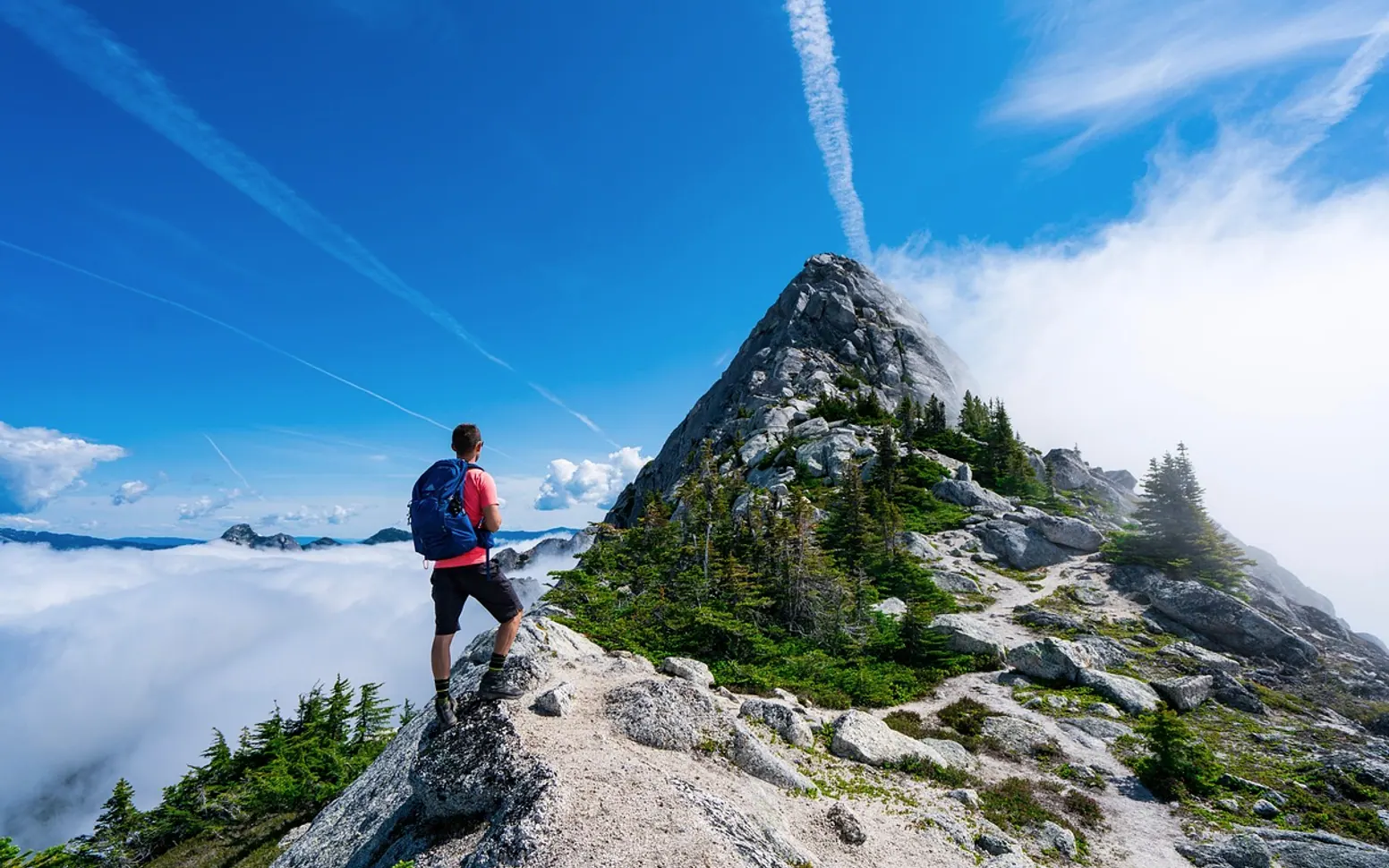
Dispersed camping means camping on public land outside a developed campground, with no facilities. In the United States it is most common in national forests and on land managed by the Bureau of Land Management (BLM), where you can often pull off a forest road, or walk a short way from it, and set up camp for free. There are no toilets, taps, picnic tables or bins: everything you need comes with you, and everything you bring leaves with you.
How it differs from other kinds of camping
| Developed campground | Dispersed camping | Backcountry camping | |
|---|---|---|---|
| Access | Drive in to numbered pitches | Often by vehicle along forest or dirt roads | On foot, by boat or on horseback, away from roads |
| Facilities | Toilets, water, tables, fire rings | None, apart from rings left by earlier campers | None |
| Cost | Usually a nightly fee | Often free | Sometimes a permit fee |
| Booking | Often reservable | First come, first served | Permit or registration may be required |
| Neighbours | Close by | Spread out | Few or none |
The terms overlap. Some people use "backcountry camping" for any camping far from facilities, while land managers often keep it for overnight trips into remote, roadless country. That is especially true in national parks, where a backcountry permit is the norm and roadside dispersed camping is generally not allowed.
Common rules
Every ranger district and field office sets its own regulations, but several rules come up again and again:
- Stay limits. A cap on how many days you can stay in one spot or area, often around fourteen, after which you must move a set distance away.
- Distance from water. Camp well back from lakes and streams; about 200 feet is a widely used guideline.
- No-camping zones. Dispersed camping is often banned close to campgrounds, trailheads, picnic areas and along certain roads.
- Existing sites first. Use a spot that has clearly been camped on rather than clearing a new one.
- Fire restrictions. Seasonal orders can ban campfires and sometimes stoves without a shut-off valve.
- Vehicle rules. Drive only on open roads and park on hard ground; tyre tracks across a meadow can last for years.
Treat these as a starting point only, and check current orders with the local office before you go.
Finding a spot
- Choose a public land area. National forests and BLM land are the usual candidates. State lands have their own, often stricter, rules.
- Contact the local office. Ranger districts and BLM field offices can tell you where dispersed camping is permitted, which roads are passable and whether fire restrictions are in force.
- Get the right maps. The Forest Service publishes Motor Vehicle Use Maps showing which roads are open to vehicles, and some mark where camping alongside them is allowed. Save maps for offline use, as phone signal is often weak or absent.
- Arrive with daylight to spare. Rough roads and unfamiliar ground are much harder to judge in the dark, and you will want a second option in case your first choice is taken.
What to bring
A standard camping packing list covers most of it, but camping without facilities adds a few essentials:
- All the water you need, or a reliable filter and a known source
- A trowel and sealable bags for human waste and toilet paper
- Rubbish bags to carry out every scrap
- A shovel and a full water container if fires are allowed
- Food storage suited to local wildlife, such as a hard-sided container where bears are active
- A spare tyre, basic tools and a full tank, since services can be far away
- Paper maps and a way to call for help where there is no signal
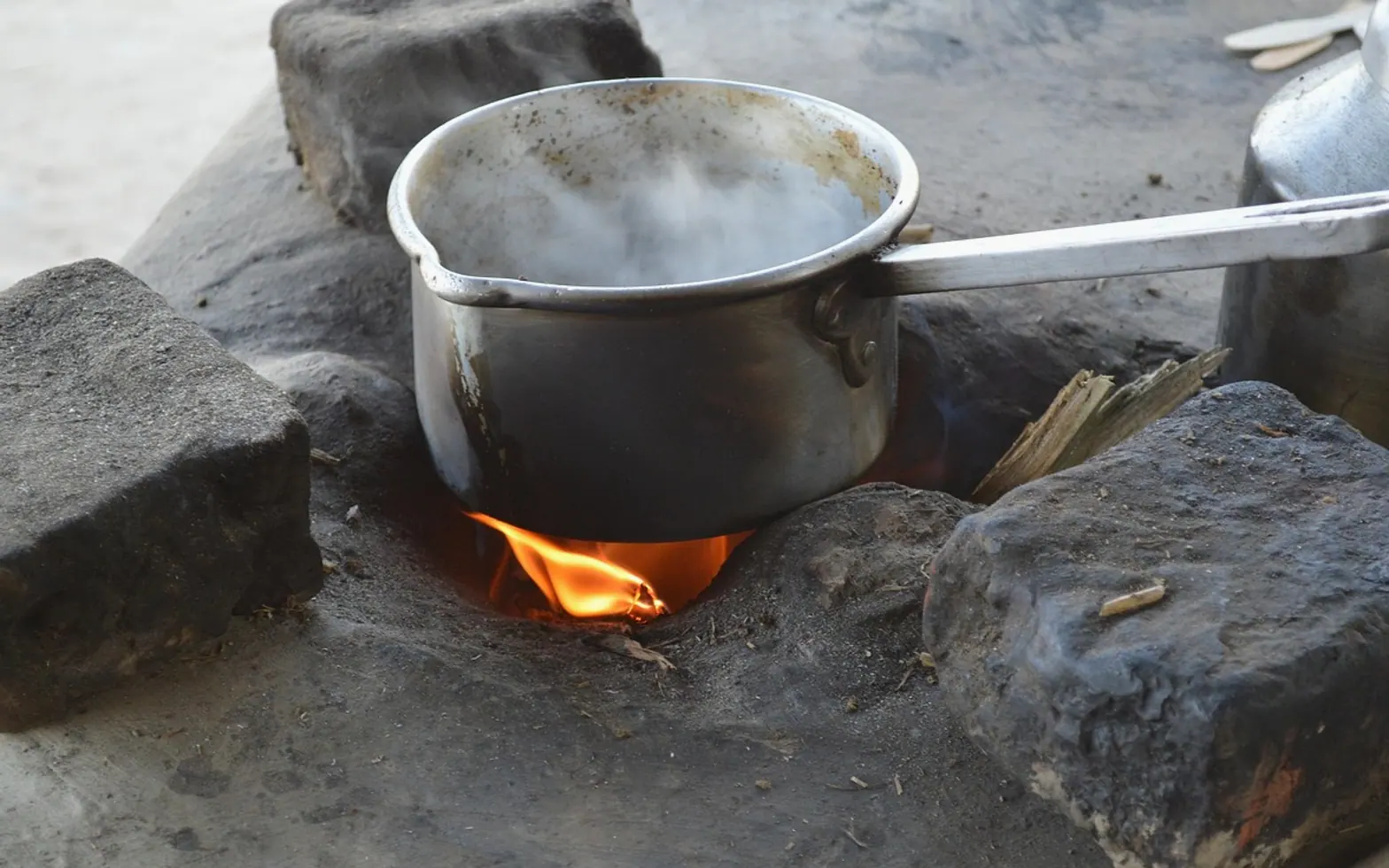
Keep cooking simple: a stove, one pot and a few easy camping meals prepared at home mean less washing up and less waste to haul out.
Leave no trace
With no staff to tidy up, dispersed sites stay pleasant only if each camper leaves them clean. Pack out everything, food scraps included. Dig toilet holes at least six inches deep and well away from water, camps and trails, or use a portable toilet system. Wash dishes away from streams, strain grey water and scatter it. If a fire is permitted, use an existing ring, keep it small and put it out until it is cold to the touch, following the steps for building a campfire safely.
Staying safe
Leave your route, campsite area and return date with a friend or relative before heading out. Check the weather and road conditions, since dirt roads can become impassable after rain. Keep food and scented items away from your tent. In some areas hunting seasons may overlap with your trip, so bright clothing is a sensible choice.
FAQs
Is dispersed camping free?
Usually, though some areas charge a small fee or ask for a free permit. Check before you go.
Can you go dispersed camping in national parks?
Generally not in the roadside sense. Most national parks require you to use campgrounds or hold a backcountry permit for designated sites or zones.
Is it the same as wild camping?
It is the American equivalent in spirit. Elsewhere, the rules come from different access laws, explained in the overview of the right to roam.
Editor’s picks
 MoviesWhy IPTV Continues to Gain Ground Across France2 min read
 MoviesIPTV in the Netherlands: Enhancing Entertainment with Innovation and Convenience2 min read
 ActivitiesA Fresh Start: The Benefits of End of Lease Cleaning in Melbourne3 min read
 GamesMinecraft, Still Popular in 2025? Why the Answer Is Yes2 min read
Through the years
2026
2025
- The IVG Pro: Design, Consistency, and Convenience for Adult Vapers
- From Site to Sorting: How Container Services Streamline Construction Projects in Germany
- Photo Booth Hire That People Actually Use: How It Turns Moments Into Shared Stories
- Gentle Tributes, Delivered: Ordering a Funeral Bouquet From an Online Flower Shop
- Silicon and Soil: Champagne’s Quiet Tech Upgrade
2024
- Why UK-Based SEO Agencies Are Leading the Way in Digital Marketing Excellence
- From Education to Entertainment: How AI Is Reshaping Learning and Leisure
- How Automation and AI Are Revolutionizing Google Ads Campaigns
- Space-Saving Illumination: How Recessed Lighting Enhances Small Rooms
- Crafting Comfort: Customizable Options for Retractable Awnings