Food4 min read
Easy Camping Meals for Breakfast, Lunch and Dinner
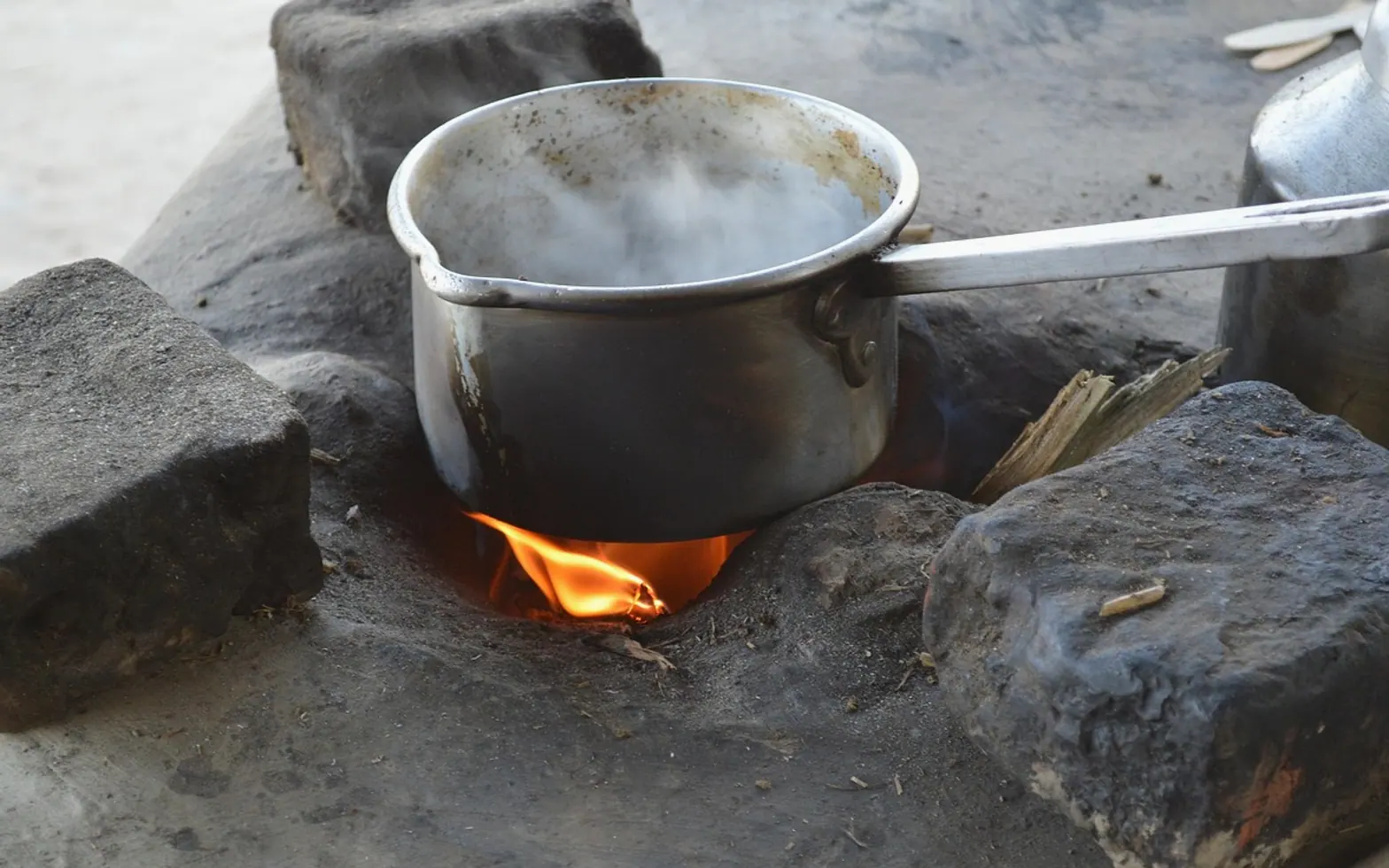
The easiest camping meals share three traits: few ingredients, one pot or pan, and as much preparation as possible done at home. Think overnight oats and breakfast burritos in the morning, wraps and pasta salad at lunch, and foil packets, one-pot pasta or reheated chilli for dinner. Plan each meal before you leave, pack them in order, and camp cooking becomes part of the fun rather than a chore.
Start with a simple meal plan
Write down every meal and snack for the trip, then the ingredients for each. It sounds fussy, but it prevents the classic problem of three loaves of bread and nothing for breakfast. A few principles help:
- Reuse ingredients. Tortillas can carry breakfast burritos, lunch wraps and dinner quesadillas.
- Eat fresh food first. Use meat, fish and dairy early in the trip, and save tins, pouches and dried food for later.
- Match meals to the day. After a long hike or a late arrival, you want something that heats in ten minutes, not a project.
- Think beyond the campsite. The same ideas suit a hostel kitchen, one of the simplest ways of travelling cheaply.
Make-ahead camping meals
A home kitchen has sharp knives, running water and space. Use it.
- Chop onions, peppers and potatoes and store them in sealed tubs or bags.
- Cook chilli, stew or bolognese, cool it quickly and freeze it flat in sealed bags. It doubles as an ice pack and only needs reheating.
- Measure the dry ingredients for pancakes into a bottle; at camp, add milk or water and shake.
- Marinate meat in sealed bags in the fridge, then freeze it if it will not be cooked on the first night.
- Bake flapjacks or muffins for quick breakfasts and trail snacks.
Camping breakfast ideas
- Overnight oats: oats, milk or yoghurt and fruit, stirred together in a jar the evening before. No cooking at all.
- Breakfast burritos: scrambled egg, cheese and potato rolled into tortillas at home, wrapped in foil and warmed in a pan or on a grill.
- Shaker pancakes: pour straight from the pre-mixed bottle into a hot, oiled pan.
- Porridge with toppings: warming on cold mornings, with nuts, dried fruit or a spoonful of jam.
- Skillet eggs and sausages: the cooked breakfast in one pan.
Camping lunch ideas
Lunch is often eaten on the move, so no-cook options shine:
- Wraps with hummus, cheese, salad leaves and cooked chicken
- Pasta or grain salad made at home and kept cold
- Crackers, cheese, cured sausage, fruit and nuts as a picnic board
- Tuna or bean pouches mixed with sweetcorn and a sachet of mayonnaise
- Quesadillas cooked in a dry pan once you are back at camp
Easy camping dinners
Foil-packet dinners
Layer sliced potatoes, sausage or chicken, peppers and onion on heavy-duty foil, season, add a little oil and fold into a sealed parcel. Cook on a grill over glowing embers rather than in flames, turning once, until the potatoes are tender and the meat is cooked through. Everyone can build their own parcel, which helps with picky eaters.
One-pot pasta
Cook pasta in just enough water with a jar of sauce, a tin of tomatoes or a spoon of pesto, then stir in tinned beans or sliced sausage. Less water means less to drain and dispose of.
Taco night
Brown mince or warm beans with spices in one pan, then set out tortillas, cheese, salsa and shredded lettuce. Toppings chopped at home make this one of the quickest crowd-pleasers.
Reheated chilli or stew
The frozen bag from home goes into a pot and is ready once it is piping hot all the way through. Serve with bread or quick-cook rice.
Snacks and campfire desserts
Trail mix, fruit, cereal bars and popcorn made in a lidded pot keep energy up between meals. For dessert, try banana boats: slit a banana lengthways through the skin, fill it with chocolate and marshmallow, wrap in foil and warm in the embers. Toasted marshmallows need nothing but sticks and patience. If you are cooking over an open fire, read up on safe campfire building first, and never leave pans or children unattended near the flames.
Meals at a glance
| Meal | Method | Prep at home | Gear |
|---|---|---|---|
| Overnight oats | No cook | Mix in jars | Jars, spoons |
| Breakfast burritos | Reheat | Fully assembled | Foil, pan or grill |
| Pasta salad | No cook | Fully made | Cool box |
| Foil-packet dinner | Embers or grill | Chopped and seasoned | Heavy-duty foil, tongs |
| One-pot pasta | Stove | None needed | One pot |
| Chilli | Reheat | Cooked and frozen | Pot |
Cool box and food safety
- Chill the cool box and its contents before packing.
- Keep it in the shade and open it as little as possible; a separate box for drinks helps.
- Store raw meat sealed at the bottom so it cannot drip onto other food.
- Aim to keep chilled food at or below 4°C (40°F); a small fridge thermometer shows how the ice is holding up.
- Cook meat thoroughly and wash or sanitise your hands before handling food.
- If something perishable has been sitting warm, throw it away rather than take the risk.
Cleaning up
Scrape plates into a rubbish bag, wash up with a little biodegradable soap well away from streams, strain the grey water and scatter it, and pack every scrap out. Store food and cooking gear securely overnight and follow any food-storage rules where wildlife is a concern. The camping packing list includes the kitchen kit that makes all of this easier.
Editor’s picks
 MoviesWhy IPTV Continues to Gain Ground Across France2 min read
 MoviesIPTV in the Netherlands: Enhancing Entertainment with Innovation and Convenience2 min read
 ActivitiesA Fresh Start: The Benefits of End of Lease Cleaning in Melbourne3 min read
 GamesMinecraft, Still Popular in 2025? Why the Answer Is Yes2 min read
Through the years
2026
2025
- The IVG Pro: Design, Consistency, and Convenience for Adult Vapers
- From Site to Sorting: How Container Services Streamline Construction Projects in Germany
- Photo Booth Hire That People Actually Use: How It Turns Moments Into Shared Stories
- Gentle Tributes, Delivered: Ordering a Funeral Bouquet From an Online Flower Shop
- Silicon and Soil: Champagne’s Quiet Tech Upgrade
2024
- Why UK-Based SEO Agencies Are Leading the Way in Digital Marketing Excellence
- From Education to Entertainment: How AI Is Reshaping Learning and Leisure
- How Automation and AI Are Revolutionizing Google Ads Campaigns
- Space-Saving Illumination: How Recessed Lighting Enhances Small Rooms
- Crafting Comfort: Customizable Options for Retractable Awnings