Food2 min read
Silicon and Soil: Champagne’s Quiet Tech Upgrade
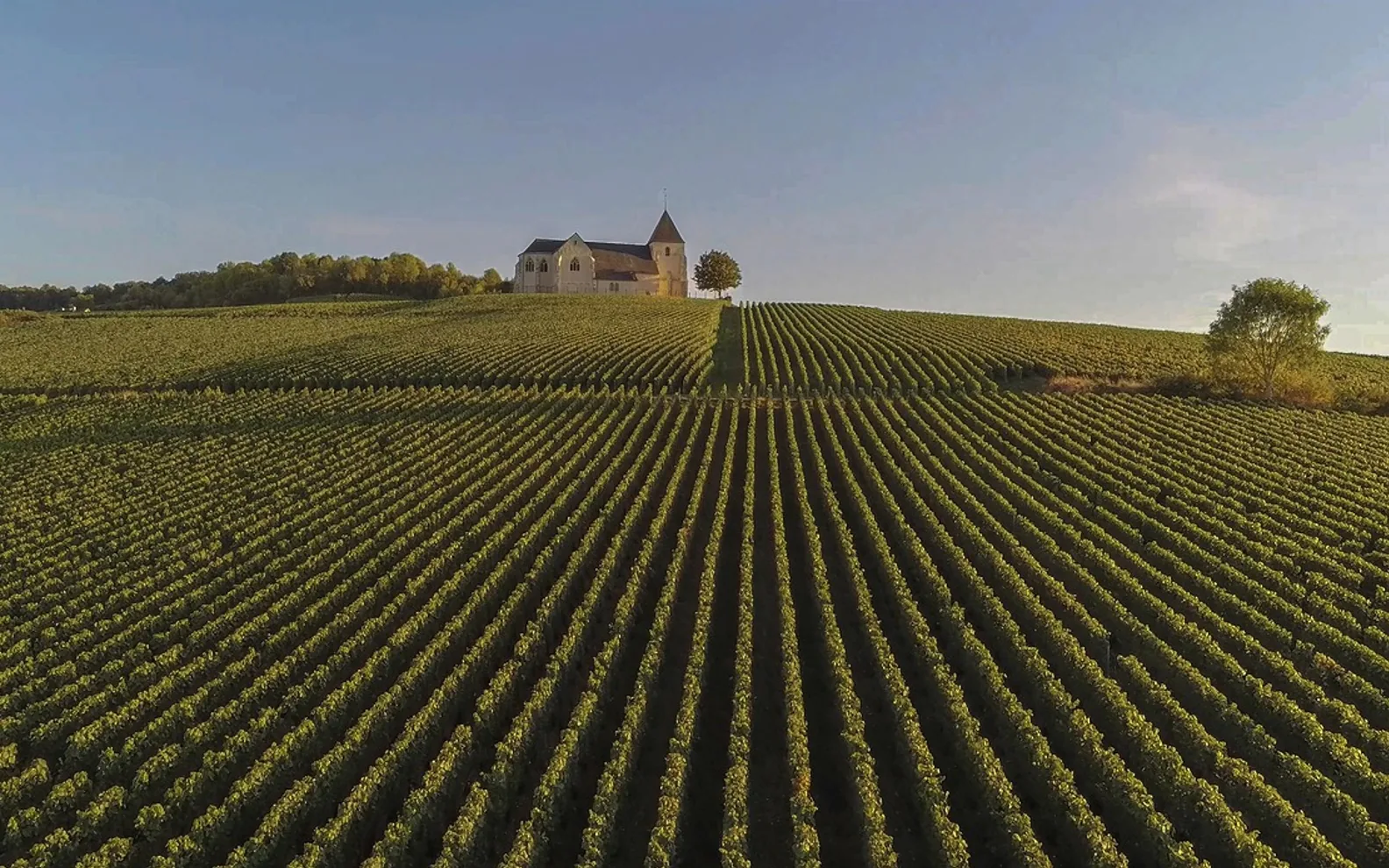
Ask most people to picture Champagne and they will describe chalk cellars, dusty bottles and a cellar master tasting from a pipette. That picture is still accurate. Alongside it, though, a quieter change has been taking place in the vineyards and wineries of the region, one that involves weather data, handheld meters and software as much as secateurs.
Why a traditional region looks to technology
Champagne sits at the northern edge of where fine wine grapes ripen well. Its style depends on bright acidity and delicate fruit, and that balance is easily upset by a heatwave, a late frost or heavy rain at the wrong moment. With weather becoming harder to predict, growers have more reason than ever to measure rather than guess. The goal is not to change what the wine tastes like but to protect it.
That care shows up clearly in rosé. Bottles sold in the Netherlands as roze Champagne are a good example of how precise this work has to be: colour, fruit and freshness all depend on timing, and a well-made rosé shows how modern tools and old skills can pull in the same direction.
In the vineyard: watching every parcel
Weather stations, soil probes and satellite or drone images now help growers follow vine health plot by plot. Instead of treating a whole hillside the same way, they can see which rows are under stress, which are growing too vigorously and where disease pressure is building. That makes it possible to:
- plan canopy work before a hot spell rather than after it;
- apply treatments only where they are needed, with fewer tractor passes;
- spot frost-prone corners and prepare protection in advance.
Fewer passes through the rows mean less fuel and less soil compaction, which fits with the region's wider interest in sustainable farming.
At harvest: ripeness by numbers and by taste
In Champagne, ripe does not mean maximum sugar. Pickers are looking for the moment when flavours have developed while acidity is still lively. Handheld refractometers and lab checks give quick readings of sugar and acid, and some houses add further analyses to group plots with similar profiles. Tasting the grapes in the row still has the final word, but the data helps teams decide where to send pickers first.
In the cellar: gentle, consistent handling
Modern presses can be programmed to apply pressure slowly and evenly, which keeps bitter compounds out of the juice. Temperature-controlled tanks protect fragile aromas during fermentation. Later, careful monitoring of the second fermentation in bottle and of dosage helps each release match the house style year after year.
| Stage | Tool | What it protects |
|---|---|---|
| Vineyard | Sensors and imagery | Healthy, even fruit |
| Harvest | Ripeness checks | Freshness and balance |
| Cellar | Programmable presses, cooled tanks | Purity of aroma |
Tradition stays in charge
None of this replaces the people. Blending remains an art of memory and taste, and long ageing on the lees still takes patience. Technology simply gives growers and cellar teams clearer information, so the glass you raise, best enjoyed in moderation, tastes the way they intended.
Editor’s picks
 MoviesWhy IPTV Continues to Gain Ground Across France2 min read
 MoviesIPTV in the Netherlands: Enhancing Entertainment with Innovation and Convenience2 min read
 ActivitiesA Fresh Start: The Benefits of End of Lease Cleaning in Melbourne3 min read
 GamesMinecraft, Still Popular in 2025? Why the Answer Is Yes2 min read
Through the years
2026
2025
- The IVG Pro: Design, Consistency, and Convenience for Adult Vapers
- From Site to Sorting: How Container Services Streamline Construction Projects in Germany
- Photo Booth Hire That People Actually Use: How It Turns Moments Into Shared Stories
- Gentle Tributes, Delivered: Ordering a Funeral Bouquet From an Online Flower Shop
- Silicon and Soil: Champagne’s Quiet Tech Upgrade
2024
- Why UK-Based SEO Agencies Are Leading the Way in Digital Marketing Excellence
- From Education to Entertainment: How AI Is Reshaping Learning and Leisure
- How Automation and AI Are Revolutionizing Google Ads Campaigns
- Space-Saving Illumination: How Recessed Lighting Enhances Small Rooms
- Crafting Comfort: Customizable Options for Retractable Awnings