Guides & Tips2 min read
From Education to Entertainment: How AI Is Reshaping Learning and Leisure

The same software techniques that suggest the next song on a playlist are now shaping maths lessons, language practice and the behaviour of characters in video games. Artificial intelligence has slipped into study time and free time alike, often in ways that feel ordinary rather than futuristic. Looking at both areas side by side shows how much they borrow from each other.
Lessons that adjust to the learner
Adaptive learning platforms track how a student answers questions and adjust what comes next. Someone who breezes through fractions might move on quickly, while a classmate who struggles gets extra examples and a different explanation. Language apps listen to pronunciation and offer feedback, and writing tools point out unclear sentences. Teachers can use dashboards to see where a class is stuck and plan the next lesson around it.
These tools work best as support for teachers rather than replacements. Human guidance, encouragement and judgement remain central to good education.
Games with more responsive worlds
In gaming, AI drives non-player characters that react more naturally to what the player does, and storylines that branch according to earlier choices. Procedural generation can build landscapes, dungeons or puzzles that differ each time a game is played. Developers also use AI-powered platforms such as 5apps AI to speed up the creation of detailed environments and refine how controls feel, freeing time for design and storytelling.
Where learning and leisure overlap
| Area | How AI shows up |
|---|---|
| Educational games | Difficulty that rises or eases with the player's progress |
| Museums and tours | Interactive guides that answer visitor questions |
| Music and art | Tools that help beginners experiment with composition or drawing |
| Streaming | Recommendations that surface documentaries and lesser-known titles |
| Fitness apps | Workouts adjusted to activity history and goals |
The line between studying and playing gets blurrier when a history lesson becomes an interactive story or a language course feels like a game with streaks and rewards.
Keeping an eye on the trade-offs
Personalisation relies on data, so privacy settings deserve attention, especially on platforms used by children. Recommendation systems can narrow what people see if left unchecked, which is a reason to explore beyond suggested content now and then. Automated feedback is useful, though it can miss nuance, and it helps to treat it as a starting point rather than a final verdict. Screen time is another consideration for families balancing digital learning with outdoor activity and rest.
A more personal mix of study and play
AI is unlikely to replace teachers, authors or game designers. What it does well is tailor experiences, handle repetitive tasks and open creative tools to people who might not have tried them before. Used thoughtfully, it can make lessons feel more relevant and free time more varied, helping curiosity carry over from the classroom into hobbies and back again.
Editor’s picks
 MoviesWhy IPTV Continues to Gain Ground Across France2 min read
 MoviesIPTV in the Netherlands: Enhancing Entertainment with Innovation and Convenience2 min read
 ActivitiesA Fresh Start: The Benefits of End of Lease Cleaning in Melbourne3 min read
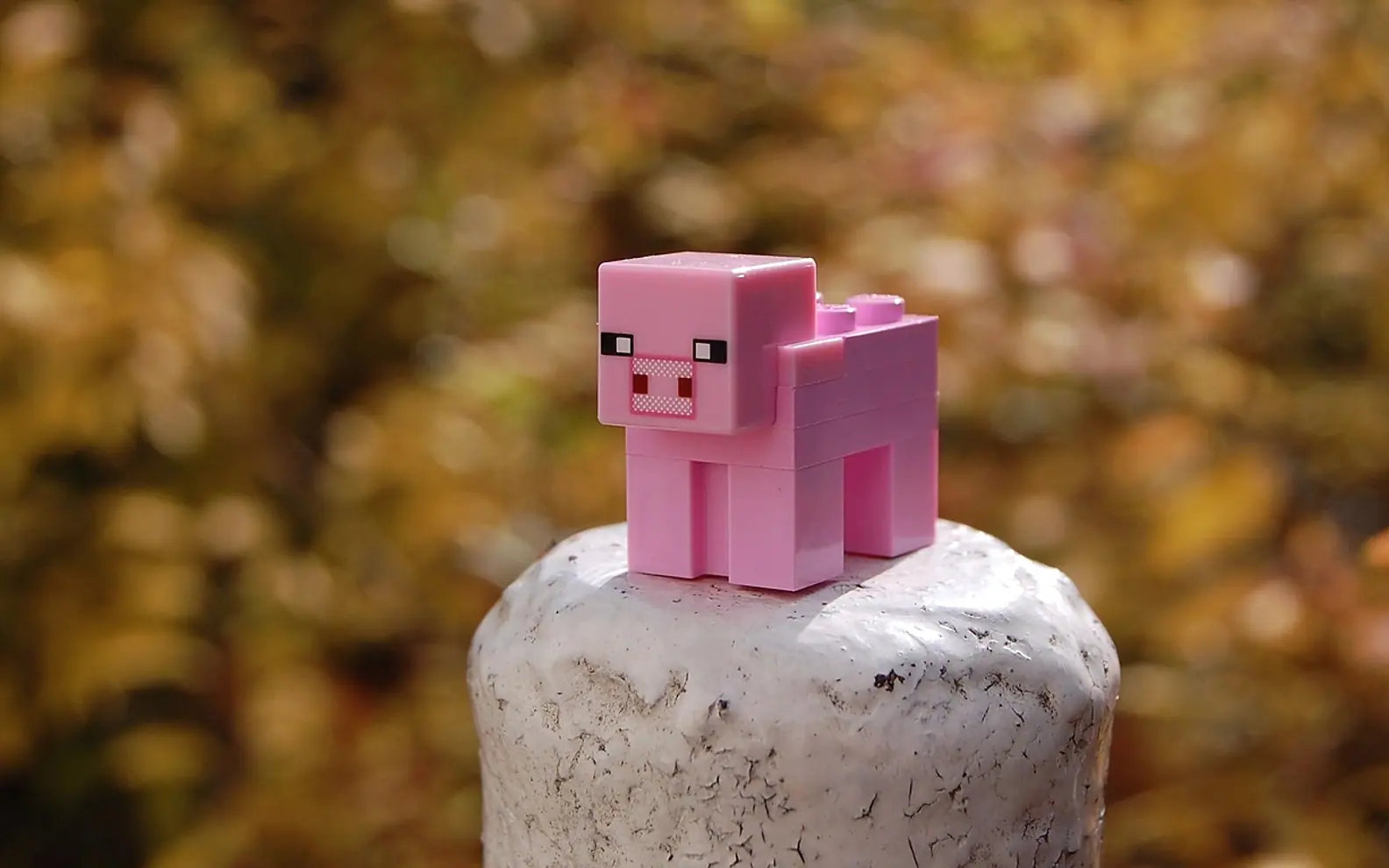 GamesMinecraft, Still Popular in 2025? Why the Answer Is Yes2 min read
Through the years
2026
2025
- The IVG Pro: Design, Consistency, and Convenience for Adult Vapers
- From Site to Sorting: How Container Services Streamline Construction Projects in Germany
- Photo Booth Hire That People Actually Use: How It Turns Moments Into Shared Stories
- Gentle Tributes, Delivered: Ordering a Funeral Bouquet From an Online Flower Shop
- Silicon and Soil: Champagne’s Quiet Tech Upgrade
2024
- Why UK-Based SEO Agencies Are Leading the Way in Digital Marketing Excellence
- From Education to Entertainment: How AI Is Reshaping Learning and Leisure
- How Automation and AI Are Revolutionizing Google Ads Campaigns
- Space-Saving Illumination: How Recessed Lighting Enhances Small Rooms
- Crafting Comfort: Customizable Options for Retractable Awnings