Guides & Tips5 min read
Seoul on a Budget: Free and Low-Cost Ideas
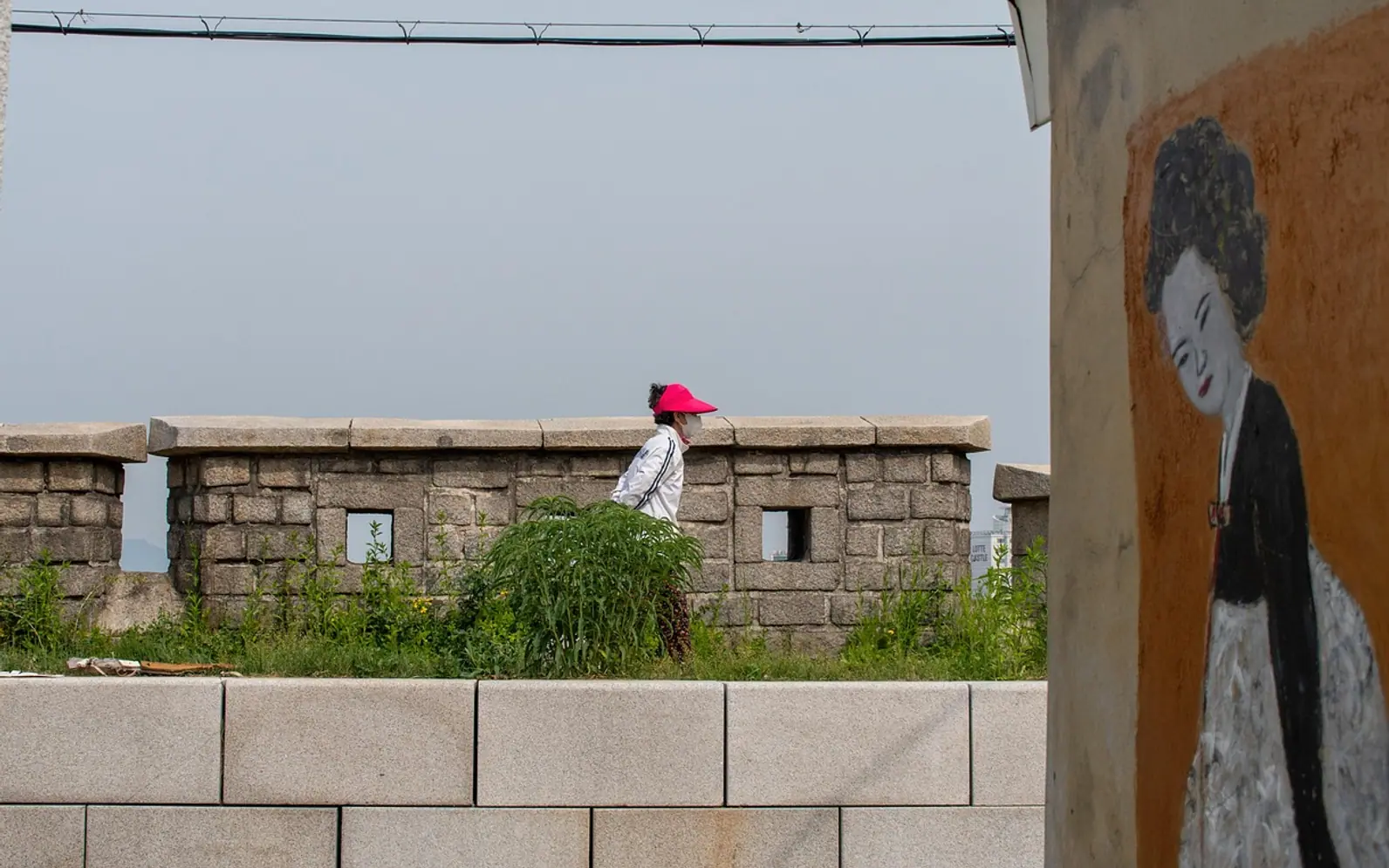
Seoul is a surprisingly good city for travellers watching their money. The old fortress wall, the long river parks along the Han, many public galleries and the open courtyards around the palaces cost little or nothing, the subway is cheap to ride, and traditional markets serve filling food for small change. Add a few low-cost evening habits and a week in the capital can sit comfortably inside a backpacker budget.
The ideas below are grouped by time of day, so you can stitch them together into your own plan. If you are new to this style of travel, our guide on travelling cheaply without missing out covers the wider habits that make every city easier on the wallet.
Mornings: walk the city wall
The fortress wall that once ringed the old capital still runs over the hills around the centre, and much of it is open as a walking trail. Sections climb over Bugaksan, Inwangsan and Naksan, and each one gives you a different view across rooftops, towers and the mountains beyond. Walking it costs nothing beyond water and snacks.
A few practical points:
- Start early. The trails are cooler in the morning and the light over the city is softer.
- Wear shoes with grip. Some sections are steep stone steps rather than gentle paths.
- Carry ID. Parts of the trail near sensitive areas may ask walkers to register, so follow any signs and check the rules posted at the entrance.
- Pick one section per day rather than trying to cover everything; the hills add up.
Late mornings: palaces, galleries and museums
The five main palaces are among the most photographed places in the city. Entry is generally modest, and on certain occasions access may be free, so check the palaces' own notices before you go rather than relying on old forum posts. The same notices say whether any terms apply to visitors wearing hanbok; rental shops around the palaces make it easy to try one, though the rental itself is an extra cost to weigh up.
Outside the palace walls, a good number of public museums and galleries in Seoul have free permanent collections, with paid tickets only for special exhibitions. National institutions and city-run spaces are the places to look first. Smaller commercial galleries in neighbourhoods such as Samcheong-dong and Insadong rarely charge for entry at all, and wandering from one to the next is a pleasant way to spend a grey afternoon.
Is it worth paying for a guided palace tour?
Free guided walks in English are offered at some sites at set times, which can be a useful middle ground. If you prefer to go alone, the information boards inside the grounds are usually enough to follow the story of each hall and courtyard.
Afternoons: river parks and neighbourhood strolls
The Han River parks stretch along both banks and are free to enter at any hour. Locals picnic on the grass, cycle the long riverside paths and sit watching the bridges light up at dusk. Bring a mat and some convenience-store snacks and you have an afternoon that costs almost nothing. Bike-share schemes run in the city and are a low-cost way to cover longer stretches of the riverbank.
Away from the river, the Cheonggyecheon stream runs through the centre beneath street level, offering a quiet walk between office towers.
Eating well for less
Traditional markets are where your food budget stretches furthest. Gwangjang Market is known for its rows of stalls serving mung bean pancakes, gimbap and noodle soups, and Mangwon Market, Tongin Market and the many smaller neighbourhood markets offer the same kind of food with fewer crowds.
| Where to eat | What to expect | Budget tip |
|---|---|---|
| Traditional markets | Stalls with pancakes, dumplings, noodles and rice dishes | Share several small plates rather than one big meal |
| Convenience stores | Triangle gimbap, instant noodles, lunch boxes | Most stores have hot water and a small counter to eat at |
| Local lunch spots | Set meals with rice, soup and side dishes | Side dishes are usually refilled without extra charge |
| Hostel kitchen | Your own cooking with supermarket ingredients | Buy fruit and snacks at markets late in the day |
Getting around cheaply
A rechargeable transit card is the single most useful thing to buy when you land. It works on the subway and buses, and transfers between the two within a short window are discounted, which adds up over a week. Top it up at convenience stores or the machines in stations. A few more habits help:
- Plan routes with a local map app, which handles transfers and exits far better than generic tools.
- Walk short distances; many neighbouring stations are only a few minutes apart above ground.
- Avoid taxis late at night when surcharges apply, unless you are splitting the fare.
- Pick a hostel near a line that serves several of the places you want to see.
Choosing where to sleep is part of the plan too. If shared rooms are new to you, our first-timer's guide to hostels explains what to expect from dorms, lockers and common areas.
Evenings that do not empty your wallet
Nights in Seoul can get expensive fast, but they do not have to. Night markets, riverside walks under the lit bridges and free street performances in areas such as Hongdae fill plenty of evenings at little cost. For something more social, a karaoke room is one of the most budget-friendly group outings in the city, because the room is rented as a whole and the cost is shared by everyone inside it.
Gather a few people from your hostel and the price per head drops with every extra singer. Rooms are normally booked by the hour, so agree on a time limit before you start. If you are heading south of the river, Korean-language resources such as 강남 가라오케 예약 안내 explain how bookings for karaoke rooms in Gangnam work, which is handy when you are planning a night with a group. If anyone in the group drinks, keep it moderate and make sure everyone has a safe way back to the hostel.
How much should I budget per day in Seoul?
That depends on how you sleep, eat and travel, so it is worth tracking your spending for the first two days and adjusting from there. With free sights, market meals and public transport at the centre of your plan, the city is far more affordable than its glossy reputation suggests.
Editor’s picks
 MoviesWhy IPTV Continues to Gain Ground Across France2 min read
 MoviesIPTV in the Netherlands: Enhancing Entertainment with Innovation and Convenience2 min read
 ActivitiesA Fresh Start: The Benefits of End of Lease Cleaning in Melbourne3 min read
 GamesMinecraft, Still Popular in 2025? Why the Answer Is Yes2 min read
Through the years
2026
2025
- The IVG Pro: Design, Consistency, and Convenience for Adult Vapers
- From Site to Sorting: How Container Services Streamline Construction Projects in Germany
- Photo Booth Hire That People Actually Use: How It Turns Moments Into Shared Stories
- Gentle Tributes, Delivered: Ordering a Funeral Bouquet From an Online Flower Shop
- Silicon and Soil: Champagne’s Quiet Tech Upgrade
2024
- Why UK-Based SEO Agencies Are Leading the Way in Digital Marketing Excellence
- From Education to Entertainment: How AI Is Reshaping Learning and Leisure
- How Automation and AI Are Revolutionizing Google Ads Campaigns
- Space-Saving Illumination: How Recessed Lighting Enhances Small Rooms
- Crafting Comfort: Customizable Options for Retractable Awnings