Guides & Tips4 min read
How to Stay Cool While Camping
To stay cool while camping, pitch in afternoon shade, open the tent up so air can move through it, do the active parts of the day early and late, and drink steadily. A tent in direct sun heats up like a parked car, so most of the work is done by where and how you set it up.
Choose the pitch for the afternoon
The sun at four o'clock matters more than the sun at breakfast. Look at where shadows will fall later in the day and favour the east side of trees, a hedge or a building. Higher, open ground usually catches more breeze than a sheltered hollow, and pitches near water tend to be a little cooler, though they bring more insects.
Avoid dead or damaged branches overhead, and keep off dry riverbeds, which can flood after distant rain.
Set the tent up for airflow
- Face the door and the largest mesh panels into the prevailing breeze.
- Open every vent, and roll the flysheet doors right back.
- On a dry night with a settled forecast, take the flysheet off altogether and sleep under the mesh inner. Keep it within reach in case the weather changes.
- Rig a tarp or reflective sheet above the tent with a gap between the two, so shade falls on the fabric while air still passes underneath.
- Take the tent down, or at least collapse it, during the day if you are staying several nights. It will not store heat, and the fabric is spared hours of strong sun.
The general order of pitching, and how to keep the fly taut, is in our guide on how to pitch a tent.
Shade for the rest of camp
People need shade as much as the tent does. A tarp strung high, a pop-up shelter or a parasol over the table gives everyone somewhere to sit out the hottest hours. At home, the same job is done by a fixed installation, and our piece on how canopy colour and fabric affect the shade under an awning explains why lighter fabrics reflect more heat.
Plan the day around the heat
| Time | What to do |
|---|---|
| Early morning | Walk, cycle, pack up, cook anything that needs a flame |
| Late morning to mid-afternoon | Rest in shade, swim where it is safe, read, nap |
| Late afternoon | Short outings as the temperature drops |
| Evening | Main meal, games, a longer stroll |
What to wear
Loose, light-coloured clothing in thin fabric keeps sun off the skin and lets sweat evaporate. Add a wide-brimmed hat, sunglasses and sunscreen, reapplied through the day. A cotton scarf or bandana soaked in water and worn round the neck is one of the simplest ways to cool down.
Drinking and eating
- Sip water regularly instead of waiting until you are thirsty, and carry more than you think you need.
- Pale urine is a reasonable sign that you are drinking enough.
- After heavy sweating, eat something salty or use an electrolyte drink.
- Go easy on alcohol, which works against hydration.
- Choose meals that need little or no cooking: wraps, salads, fruit, cold pasta.
- Keep the cool box in deep shade, open it as rarely as possible, and freeze water bottles to use as ice packs that become cold drinks later.
Sleeping on a hot night
- Swap the sleeping bag for a cotton or silk liner, or a single sheet. The role of liners is covered in our guide to choosing a sleeping bag.
- Rinse off or wipe down with a damp cloth before bed.
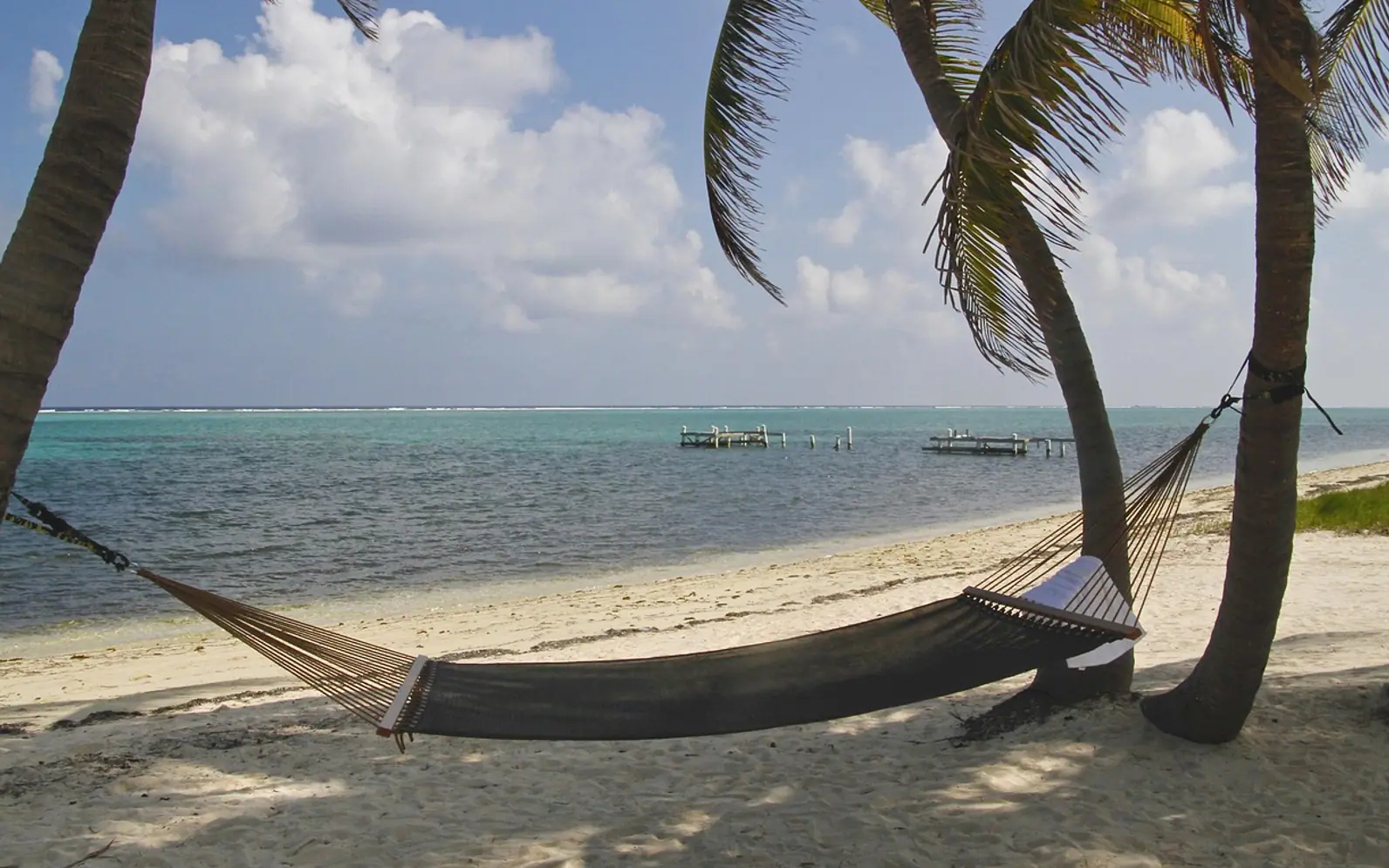
- Sleep on top of your mat in light clothing. A raised camp bed or a hammock lets air pass underneath.
- Use a small battery-powered fan if you have one, pointed across you, not at the tent wall.
- Keep a water bottle by your head.
Know the signs of heat illness
Heat exhaustion can show up as heavy sweating, headache, dizziness, nausea, cramps and unusual tiredness. Move the person into shade, loosen clothing, cool the skin with water and fanning, and give sips of water if they are fully alert. If they do not improve within about half an hour, get medical help.
Heatstroke is a medical emergency. Warning signs include confusion, slurred speech, fainting, a very high body temperature and skin that is hot and may be dry. Call emergency services at once and cool the person by any means available while you wait. Babies, young children, older adults and anyone with a long-term health condition are affected sooner than others, so watch them closely and ask a doctor in advance if you are unsure whether a hot-weather trip is wise.
Organisers of larger gatherings under canvas have more to plan for, and our article on building mobile cooling into a heat plan for halls and marquees deals with that scale.
Dogs and children
Never leave a child or a dog in a closed tent or vehicle. Give dogs shade, water and a damp towel to lie on, and walk them only when the ground is cool enough to hold your hand on.
A few extras worth packing
A tarp and cord, a spray bottle, a battery fan, extra water containers, a sun hat for each person and a light sheet add very little weight to the standard camping packing list. If a heatwave is forecast and nobody is keen, there is no shame in postponing, or in trying a night in the garden with the house on standby. For the opposite problem, see our guide to camping in the rain.
Editor’s picks
 MoviesWhy IPTV Continues to Gain Ground Across France3 min read
 MoviesIPTV in the Netherlands: Enhancing Entertainment with Innovation and Convenience3 min read
 Guides & TipsCamping in the Rain: How to Stay Dry and Enjoy It4 min read
 ActivitiesA Fresh Start: The Benefits of End of Lease Cleaning in Melbourne3 min read
Through the years
2026
2025
- The IVG Pro: Design, Consistency, and Convenience for Adult Vapers
- From Site to Sorting: How Container Services Streamline Construction Projects in Germany
- Photo Booth Hire That People Actually Use: How It Turns Moments Into Shared Stories
- Gentle Tributes, Delivered: Ordering a Funeral Bouquet From an Online Flower Shop
- Silicon and Soil: Champagne’s Quiet Tech Upgrade
2024
- Why UK-Based SEO Agencies Are Leading the Way in Digital Marketing Excellence
- From Education to Entertainment: How AI Is Reshaping Learning and Leisure
- How Automation and AI Are Revolutionizing Google Ads Campaigns
- Space-Saving Illumination: How Recessed Lighting Enhances Small Rooms
- Crafting Comfort: Customizable Options for Retractable Awnings