Guides & Tips4 min read
How to Choose a Sleeping Bag
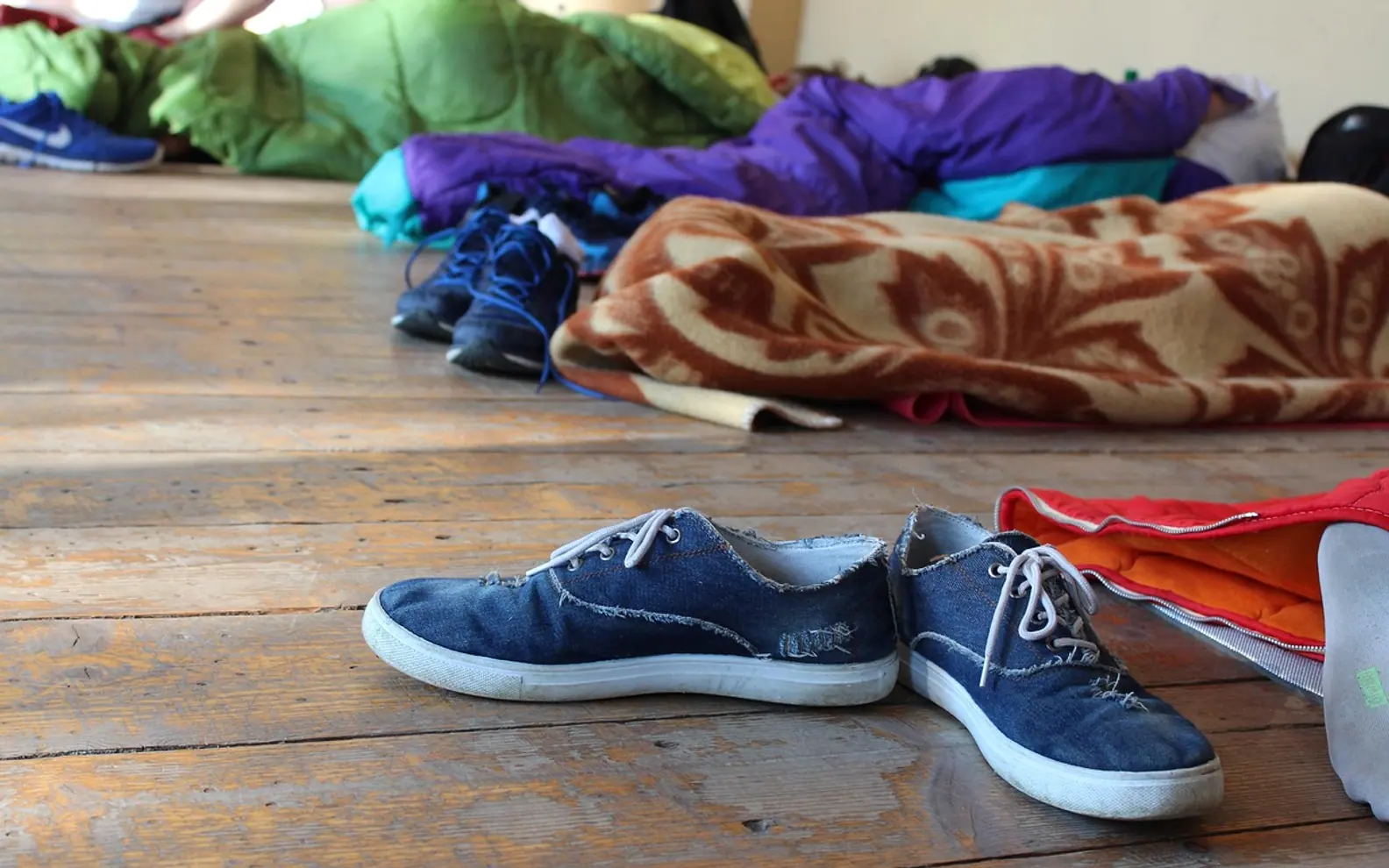
A good night’s sleep can make or break a camping trip. Too cold and you will be counting the hours until sunrise; too warm and you will spend the night kicking the bag open. Choosing a sleeping bag is about matching it to the conditions you will meet and the way you sleep, rather than buying the warmest or most expensive option on the shelf.
Here is how to work through the main choices.
Start with where and when you camp
Think about the coldest night you are likely to face. Summer campground trips, spring and autumn weekends and winter outings all call for different bags. If you mostly camp in mild weather, a lighter bag with an optional liner is often more useful than a heavy winter bag you rarely need.
Consider how you travel, too. If you are carrying everything on your back, weight and packed size matter. If you are driving to the pitch, comfort and roominess can come first.
Understanding temperature ratings
Many sleeping bags carry a temperature rating, and some follow standardised testing. You will commonly see:
- Comfort – the temperature at which a typical cold sleeper should feel comfortable in a relaxed position.
- Limit (sometimes called lower limit) – the temperature at which a typical warmer sleeper can sleep curled up without feeling cold.
- Extreme – a survival figure only, not a guide to comfort.
Use the comfort rating as your main guide, especially if you tend to feel the cold. Ratings assume you are wearing a base layer and lying on an insulated mat, so a bag will feel colder on bare ground or in damp clothes.
Down or synthetic fill?
| Fill | Strengths | Things to consider |
|---|---|---|
| Down | Very warm for its weight, packs small, lasts many years with care | Loses much of its warmth when wet unless treated; usually costs more; needs careful washing |
| Synthetic | Keeps more warmth when damp, dries faster, generally easier to wash and more affordable | Heavier and bulkier for the same warmth; can lose loft sooner over time |
For damp climates or casual campground use, synthetic is a practical choice. For lightweight trips where every gram counts and you can keep the bag dry, down shines. If you prefer to avoid animal products, synthetic fill is the natural fit.
Shape and fit
Mummy bags
These taper towards the feet and have a hood. Less empty space means less air for your body to warm, so they are efficient and light. Some people find them restrictive.
Rectangular bags
Roomy and comfortable, often able to open fully like a quilt. They are less thermally efficient and bulkier, which suits car camping in warmer months.
Semi-rectangular bags
A middle ground, with a little more room than a mummy shape while still keeping warmth reasonably well.
Whatever the shape, length matters. A bag that is too short compresses the insulation at your head and feet; one that is far too long leaves cold space to heat. If you can, climb inside one in the shop before buying.
Features worth checking
- Hood that cinches around your face for colder nights.
- Draught tube along the zip to stop cold air seeping in.
- Neck baffle or collar to keep warm air from escaping at the shoulders.
- Zip length and side – a full-length zip helps ventilation; some bags can zip together with a partner’s.
- Footbox shape that lets your feet rest naturally.
- Stuff sack and storage sack – one for travel, a larger one for keeping the bag uncompressed at home.
Do not forget the sleeping mat
Much of the heat you lose at night goes into the ground. A good mat is essential, whatever your bag. Foam mats are light and durable; self-inflating and air mats are more comfortable and pack differently. Many mats list an insulation value, often called an R-value, where a higher figure means more insulation from the ground. For cold nights, choose a mat with more insulation or layer a foam mat under an air mat.
Little ways to sleep warmer
- Change into dry clothes before bed; damp layers pull heat away.
- Wear a hat and clean socks.
- Eat something and have a warm, non-alcoholic drink before turning in.
- Use a liner to add warmth and keep the bag cleaner.
- Fill empty space in the bag with spare clothing.
Never take a stove, heater or anything with a flame into a tent to warm up, and keep sleeping gear well away from campfires.
Caring for your sleeping bag
Air the bag out each morning on a trip, and dry it fully at home before storing. Keep it loose in a large storage sack or hanging, not crammed in its stuff sack, so the fill keeps its loft. Wash it only when needed, following the manufacturer’s instructions and using a cleaner suited to the fill type.
Putting it together
Pick a comfort rating that covers your coldest likely night, choose the fill that matches your climate and budget, find a shape that lets you sleep well, and pair it with a properly insulated mat. Then add it to our camping packing list and you are ready for the night.
Editor’s picks
 MoviesWhy IPTV Continues to Gain Ground Across France2 min read
 MoviesIPTV in the Netherlands: Enhancing Entertainment with Innovation and Convenience2 min read
 ActivitiesA Fresh Start: The Benefits of End of Lease Cleaning in Melbourne3 min read
 GamesMinecraft, Still Popular in 2025? Why the Answer Is Yes2 min read
Through the years
2026
2025
- The IVG Pro: Design, Consistency, and Convenience for Adult Vapers
- From Site to Sorting: How Container Services Streamline Construction Projects in Germany
- Photo Booth Hire That People Actually Use: How It Turns Moments Into Shared Stories
- Gentle Tributes, Delivered: Ordering a Funeral Bouquet From an Online Flower Shop
- Silicon and Soil: Champagne’s Quiet Tech Upgrade
2024
- Why UK-Based SEO Agencies Are Leading the Way in Digital Marketing Excellence
- From Education to Entertainment: How AI Is Reshaping Learning and Leisure
- How Automation and AI Are Revolutionizing Google Ads Campaigns
- Space-Saving Illumination: How Recessed Lighting Enhances Small Rooms
- Crafting Comfort: Customizable Options for Retractable Awnings