Guides & Tips2 min read
From Site to Sorting: How Container Services Streamline Construction Projects in Germany
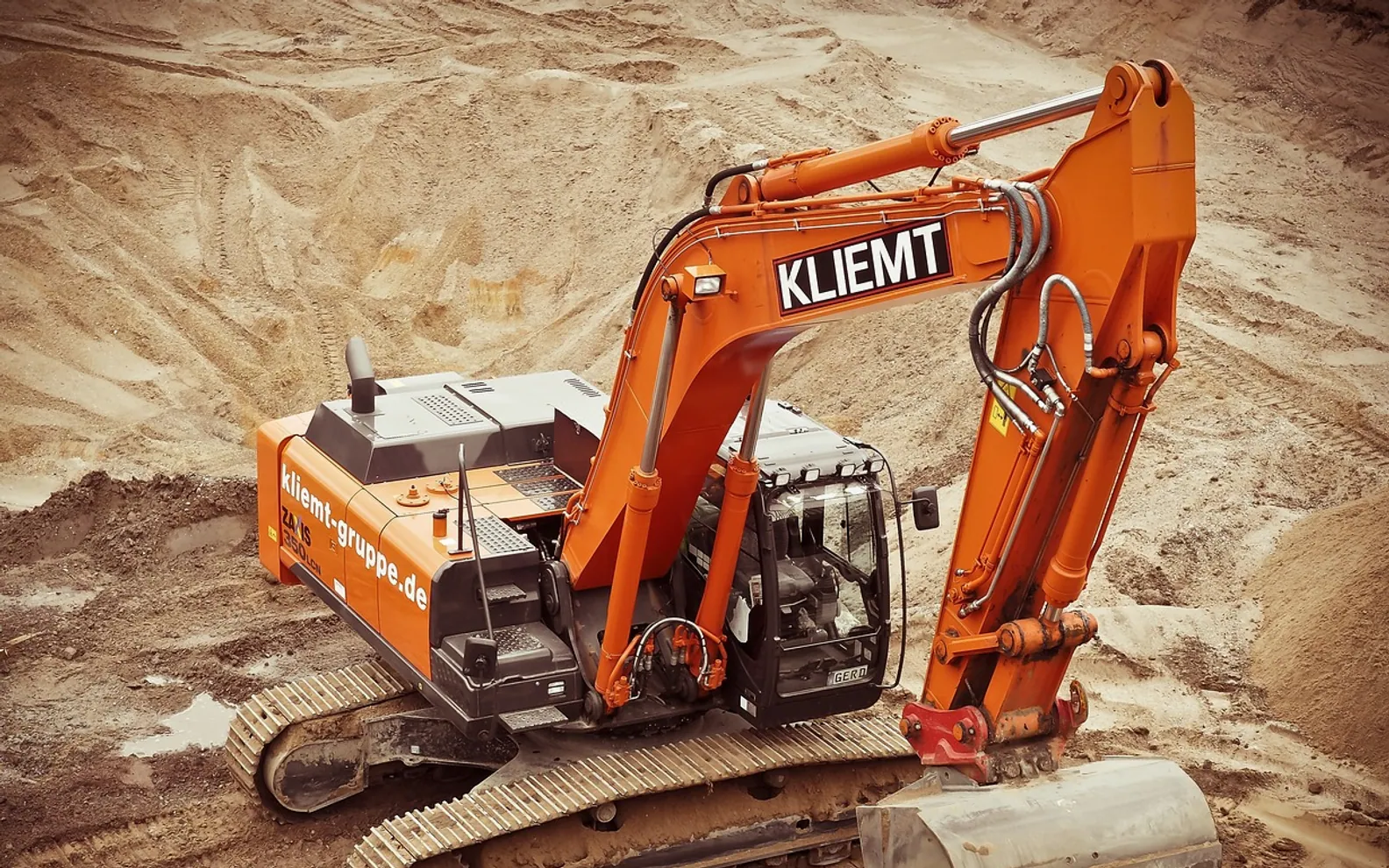
Construction schedules rarely slip because of one dramatic event. More often, small frictions pile up: a skip that was not emptied on time, a pallet of offcuts blocking access, mixed rubble that the disposal site will not accept. On German building projects, a well-organised container service removes many of those frictions before they start, keeping crews working and the site in order.
Predictable logistics from day one
Experienced providers such as containerdienst Bruchköbel bring standard container sizes, agreed collection intervals and straightforward guidance on what goes where. Site managers appreciate that reliability, because it lets them plan deliveries, crane slots and trade sequences around a waste flow they can count on.
Planning starts with placement. Containers need firm ground, room for the delivery truck to set them down and lift them again, and a position that does not block scaffolding or emergency access. If a container must stand on a public street, a permit from the local authority is usually required, and the provider can often advise on the process.
Sorting that pays off
German waste rules place strong emphasis on separating materials at the source. On a typical site, separate containers might collect:
- Clean mineral rubble such as concrete, brick and tiles
- Untreated and treated wood
- Metals from fixings, pipes and frames
- Plasterboard and similar gypsum-based materials
- Mixed construction waste that cannot be separated further
- Insulation and other materials that require special handling
Sorted streams can be recycled more readily, and they are generally simpler to process at disposal facilities than mixed loads. Clear signs on each container and a short briefing for subcontractors keep the system working.
A project timeline with containers in mind
- Demolition and strip-out: large containers for rubble and mixed waste, swapped frequently.
- Shell construction: fewer, steadier loads of offcuts and packaging.
- Fit-out: smaller containers for plasterboard, timber and packaging materials.
- Final clean and handover: one or two units to clear the last debris.
Adjusting container sizes to each phase avoids paying for empty volume early on or running short during heavy demolition weeks.
Safety and neighbours
A tidy site is a safer site. Debris kept in containers reduces tripping hazards and loose material that could fall from upper floors. Covered containers limit dust and stop lightweight waste from blowing into the street. Regular pickups mean fewer overflowing piles, which helps keep relations with neighbours friendly during long projects.
Small decisions, steady progress
Container logistics may never appear in a project's glossy brochure, yet it shapes how smoothly the work runs every day. Planned placement, sensible sizes, consistent sorting and dependable collection give builders space to focus on the structure itself, and they help each phase hand over cleanly to the next.
Editor’s picks
 MoviesWhy IPTV Continues to Gain Ground Across France2 min read
 MoviesIPTV in the Netherlands: Enhancing Entertainment with Innovation and Convenience2 min read
 ActivitiesA Fresh Start: The Benefits of End of Lease Cleaning in Melbourne3 min read
 GamesMinecraft, Still Popular in 2025? Why the Answer Is Yes2 min read
Through the years
2026
2025
- The IVG Pro: Design, Consistency, and Convenience for Adult Vapers
- From Site to Sorting: How Container Services Streamline Construction Projects in Germany
- Photo Booth Hire That People Actually Use: How It Turns Moments Into Shared Stories
- Gentle Tributes, Delivered: Ordering a Funeral Bouquet From an Online Flower Shop
- Silicon and Soil: Champagne’s Quiet Tech Upgrade
2024
- Why UK-Based SEO Agencies Are Leading the Way in Digital Marketing Excellence
- From Education to Entertainment: How AI Is Reshaping Learning and Leisure
- How Automation and AI Are Revolutionizing Google Ads Campaigns
- Space-Saving Illumination: How Recessed Lighting Enhances Small Rooms
- Crafting Comfort: Customizable Options for Retractable Awnings