Destinations4 min read
What Is a Thru-Hike?
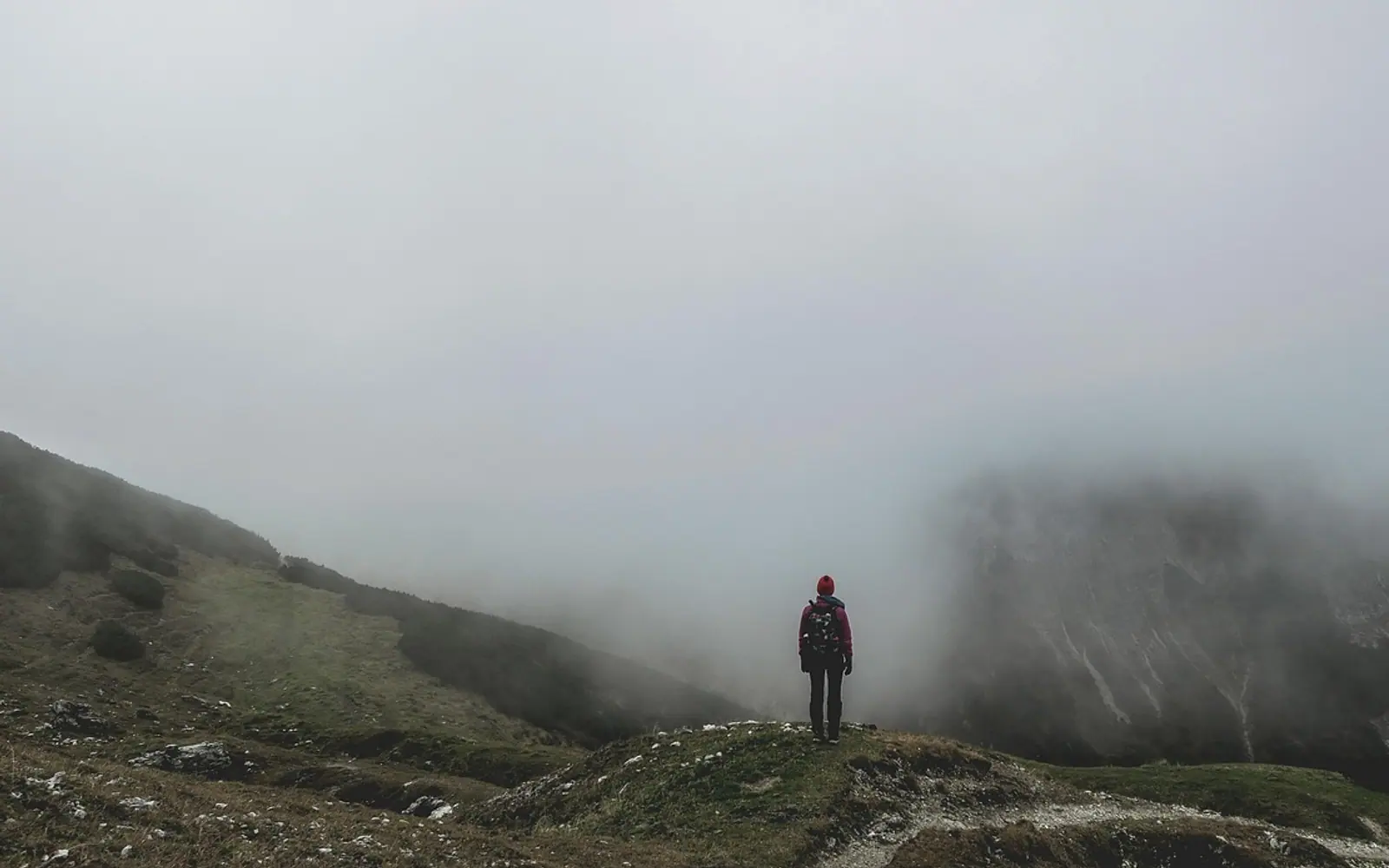
A thru-hike is a walk along a long-distance trail from one end to the other in a single continuous trip, usually within one season. Rather than sampling a trail at weekends or in sections, a thru-hiker lives on it for weeks or months, sleeping in a tent, shelter or hostel and dropping into towns only to rest and restock.
The term is most closely tied to the great American trails, but the idea applies to any established long route, from mountain traverses in Europe to a path running the length of New Zealand.
Thru-hike, section hike or backpacking trip?
- Thru-hike: the whole trail, end to end, in one go.
- Section hike: the same trail completed in chunks, sometimes over many years, until every stretch is ticked off.
- Flip-flop: a thru-hike done out of order, for example starting in the middle, walking to one end, then returning to finish the other half. It can help avoid crowds and bad weather.
- Backpacking trip: any multi-day hike carrying your gear, whether two nights or two weeks, on one trail or several.
Well-known long trails
| Trail | Where | Approximate length | Character |
|---|---|---|---|
| Appalachian Trail | Eastern US, Georgia to Maine | About 2,200 miles (3,500 km) | Forested ridges, frequent shelters, many trail towns |
| Pacific Crest Trail | Western US, Mexico to Canada through California, Oregon and Washington | About 2,650 miles (4,265 km) | Desert, high Sierra, volcanic peaks, long dry stretches |
| Continental Divide Trail | Rocky Mountains, Mexico to Canada | Roughly 3,000 miles (about 5,000 km) | Remote, high and partly route-finding |
| John Muir Trail | Sierra Nevada, California | About 211 miles (340 km) | Shorter, high-altitude, permit-controlled |
| Te Araroa | New Zealand, north to south | About 3,000 km | Beaches, forest, farmland, mountain passes and road sections |
| GR10 | French Pyrenees, Atlantic to Mediterranean | Close to 900 km | Steep daily climbs, mountain huts and villages |
The Appalachian, Pacific Crest and Continental Divide trails are often grouped as the "Triple Crown" of American hiking. Pilgrimage routes such as the Camino de Santiago can be walked end to end in the same spirit, with pilgrim hostels called albergues taking the place of a tent.
Trail slang you will hear
- NOBO / SOBO: northbound or southbound.
- Trail name: a nickname given by fellow hikers, often after something memorable you did.
- Zero: a rest day with no trail miles; a nero is a "nearly zero" day.
- Resupply: restocking food and essentials, either in town or from a box posted ahead.
- Hiker box: a shared box in hostels and shops where hikers leave and take spare supplies.
- Trail magic: unexpected kindness from strangers, such as cold drinks left at a road crossing.
- Base weight: the weight of your pack without food, water and fuel.
How long does a thru-hike take?
The longest American trails are measured in months rather than weeks, and many hikers spend around five or six months on the Appalachian or Pacific Crest Trail. Shorter routes such as the John Muir Trail are often done in two to three weeks. Pace is personal: it depends on fitness, terrain, weather, the number of rest days and how long you linger in town.
Planning a thru-hike
Timing and direction
Every long trail has a weather window. Start too early and you meet snow in the mountains; start too late and you race winter at the far end. Trail organisations publish advice on start dates and direction, and it is worth reading before you buy anything.
Permits
Some trails use a long-distance permit to manage numbers, and individual parks along the route can have their own rules for camping and overnight stays. Check each one well ahead.
Resupply
Most hikers combine shopping in trail towns with posting boxes ahead to places that have few shops. Map out resupply points before you go, but stay flexible, because appetite and pace change after the first few weeks.
Gear
Every gram counts over hundreds or thousands of miles, which is why thru-hikers talk so much about base weight. Shelter, sleep system and pack are the "big three" to get right. The guide to choosing a sleeping bag explains temperature ratings and fill types, both of which matter when nights swing from desert to alpine.
Money and time
Beyond gear and food, budget for town nights, laundry, transport to and from the trailheads and the income you give up while away. Many hikers save for a long time first.
Is a thru-hike right for a beginner?
People do start long trails with little backpacking experience, but those who enjoy it most usually build up first: day hikes, then overnights, then a week-long trip carrying everything. The step-by-step guide to planning a hiking trip is a good place to start. If you have any health concerns, talk to a doctor before committing to months of daily distance, and accept that leaving the trail early is a normal outcome, not a failure.
Keeping motivated
A long trail tests the mind as much as the legs. Wet weeks, sore feet and homesickness reach almost everyone at some point. Reading trail memoirs, talking to people who have finished a route and watching a few of the hiking movies based on real long walks can help you picture what lies ahead, hard days included.
Editor’s picks
 MoviesWhy IPTV Continues to Gain Ground Across France2 min read
 MoviesIPTV in the Netherlands: Enhancing Entertainment with Innovation and Convenience2 min read
 ActivitiesA Fresh Start: The Benefits of End of Lease Cleaning in Melbourne3 min read
 GamesMinecraft, Still Popular in 2025? Why the Answer Is Yes2 min read
Through the years
2026
2025
- The IVG Pro: Design, Consistency, and Convenience for Adult Vapers
- From Site to Sorting: How Container Services Streamline Construction Projects in Germany
- Photo Booth Hire That People Actually Use: How It Turns Moments Into Shared Stories
- Gentle Tributes, Delivered: Ordering a Funeral Bouquet From an Online Flower Shop
- Silicon and Soil: Champagne’s Quiet Tech Upgrade
2024
- Why UK-Based SEO Agencies Are Leading the Way in Digital Marketing Excellence
- From Education to Entertainment: How AI Is Reshaping Learning and Leisure
- How Automation and AI Are Revolutionizing Google Ads Campaigns
- Space-Saving Illumination: How Recessed Lighting Enhances Small Rooms
- Crafting Comfort: Customizable Options for Retractable Awnings