World5 min read
Camino de Santiago Albergues: How Pilgrim Hostels Work
An albergue is a hostel for pilgrims on the Camino de Santiago. Most offer bunk beds in shared dormitories, basic bathrooms and somewhere to wash clothes, and many are reserved for people walking or cycling the route with a pilgrim credential. They range from plain municipal buildings to family-run houses with gardens and shared dinners, and they are a large part of what gives the Camino its sociable character.
What is the Camino de Santiago?
The Camino de Santiago, or Way of St James, is a network of pilgrimage routes leading to the cathedral of Santiago de Compostela in Galicia, north-west Spain, where tradition places the tomb of the apostle James. People walk it for religious, spiritual, cultural or simply physical reasons. The best-known route is the Camino Francés, which crosses northern Spain from the French side of the Pyrenees. Others include the Camino Portugués from Lisbon or Porto, the coastal Camino del Norte and the hilly Camino Primitivo, which begins in Oviedo.
Because the routes pass through towns and villages at walkable intervals, pilgrims can travel light and stop each evening at an albergue instead of carrying a tent.
Types of albergue
| Type | Run by | What to expect |
|---|---|---|
| Public (municipal or regional) | Town councils or regional authorities | Basic dorms, usually first come, first served, credential required, often among the cheapest beds on the route |
| Parish or religious | Churches, monasteries and religious orders | Simple facilities, sometimes a shared meal or evening blessing; some work on a donation basis |
| Association | Pilgrim associations and volunteer groups | Often staffed by volunteer hosts, known as hospitaleros |
| Private | Individuals and families | A wider range of comfort, smaller dorms or private rooms, frequently bookable in advance |
Donation-based places are called donativos. The idea is to give what you can so the next pilgrim also finds a bed, rather than treating the night as free.
The pilgrim credential
The credencial is a folded card or booklet that works like a pilgrim passport. You collect a stamp, or sello, at each albergue and at cafés, churches and town halls along the way. Public albergues usually ask to see it at check-in. It is also what you present in Santiago if you want the Compostela, the certificate given to those who complete at least the final 100 km on foot or horseback, or the final 200 km by bicycle. Credentials are issued by pilgrim associations, some churches and a number of albergues at popular starting points.
How an albergue evening usually runs
- Arrive in the afternoon. Many public albergues open their doors around midday or a little later, and in busy months a queue of rucksacks can form outside before then.
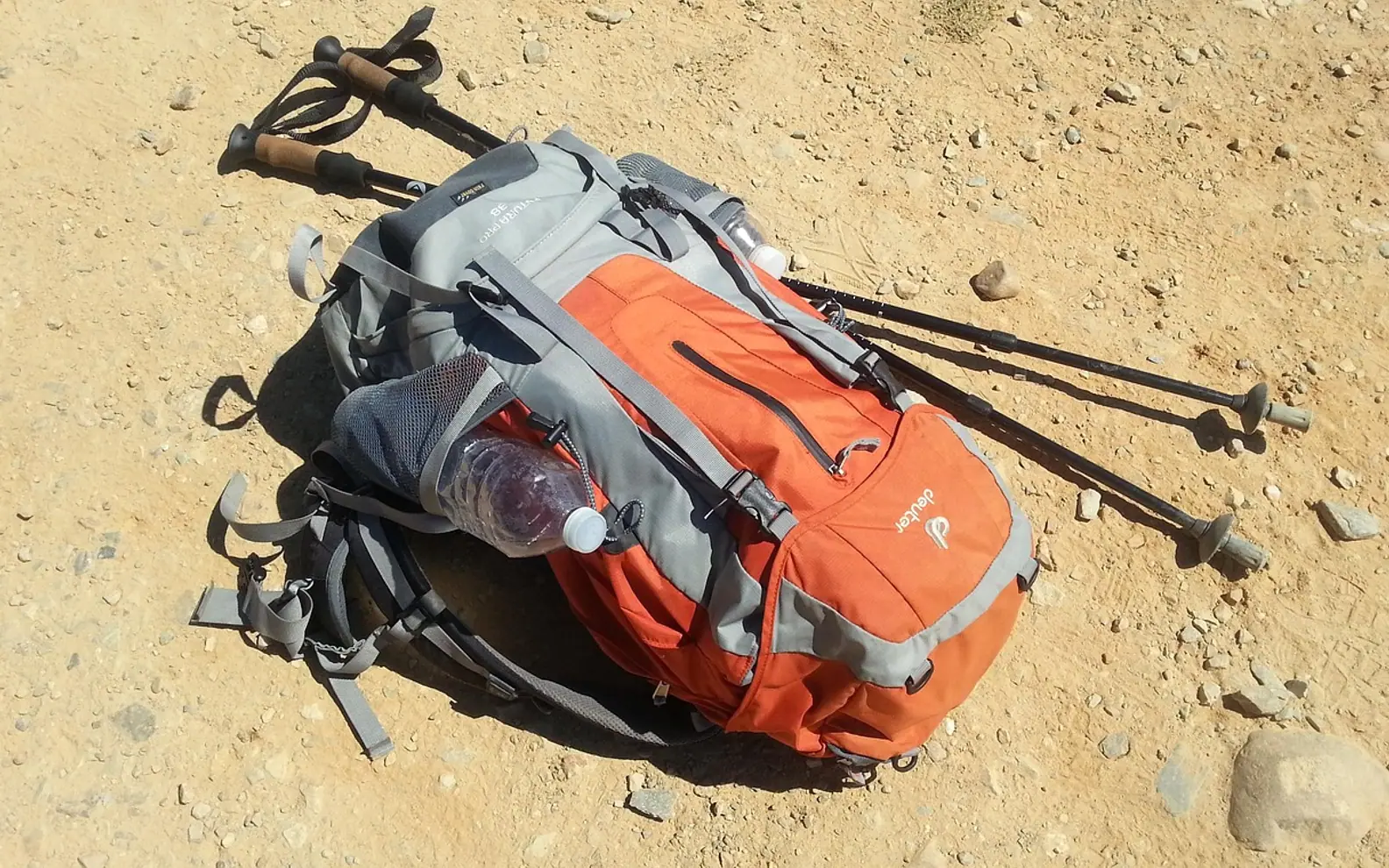
- Check in. Show your credential and ID, collect a stamp and pay if there is a charge. You will be pointed to a bunk; boots and walking poles usually stay by the door.
- Shower and wash clothes. Hot water can run short later in the day, so earlier is better. Hand-wash socks and shirts at the sinks and hang them on the lines.
- Eat. Some albergues have a kitchen; others serve a communal dinner, and most villages have a bar or restaurant offering a pilgrim menu.
- Lights out. Doors close and lights go off in the evening, commonly around ten.
- Leave early. Departure is expected in the morning, often by eight. Most public albergues allow one night only, unless you are unwell.
Booking ahead or turning up
Traditionally, public albergues do not take reservations and give beds to pilgrims in order of arrival, sometimes with walkers given priority over cyclists. Private albergues increasingly accept bookings. In peak months and on the busiest final stretch into Santiago, many pilgrims book a day or two ahead to avoid racing for beds. Others prefer not to plan and simply walk on to the next village if one place is full. Both approaches work; just check each albergue's rules as you go, because policies vary from town to town.
What to pack for albergue nights
- A light sleeping bag or sleeping-bag liner, since blankets are not always provided
- A quick-drying towel
- Earplugs and an eye mask for shared dorms
- Flip-flops or sandals for showers and evenings
- A head torch with a red-light mode for early starts
- A few clothes pegs or safety pins for drying laundry
- A small pouch to keep valuables with you, even in the shower
Bed bugs occasionally turn up in busy pilgrim hostels, as they can anywhere many people sleep. Check mattress seams before unpacking, keep your rucksack off the bed, and tell the hosts promptly if you notice bites. The basics of dorm life are much the same as in any hostel, and the first-timer's guide to what a hostel is covers them in more depth.
Albergue etiquette
Most friction in pilgrim dorms comes from early risers and late sleepers sharing one room. A few habits keep the peace:
- Pack the night before so the morning departure takes minutes, not a rustle-filled half hour.
- Sort noisy plastic bags outside the dormitory.
- Use a red light, not the ceiling lights, before others are awake.
- Keep phone calls and long conversations to the common areas.
- Thank the hospitaleros; many give their time for free.
Common questions
Can anyone stay in an albergue?
Public and parish albergues are generally for pilgrims who carry a credential and travel under their own power. Private ones may welcome other travellers too, so it is worth asking.
Do you need to be religious to walk the Camino?
No. The route has deep religious roots and many pilgrims walk for faith, but people of every belief and none set out each year. Respect for the churches and services along the way is all that is expected.
How fit do you need to be?
Daily stages are long walks rather than technical hikes, but the distance adds up over weeks. Train with your loaded pack beforehand, start gently and speak to a health professional if you have concerns. The steps in the guide to planning a hiking trip scale up well, and if longer routes appeal, read what a thru-hike involves. The Camino is also the setting of one of the films in our list of hiking movies.
Editor’s picks
 MoviesWhy IPTV Continues to Gain Ground Across France2 min read
 MoviesIPTV in the Netherlands: Enhancing Entertainment with Innovation and Convenience2 min read
 ActivitiesA Fresh Start: The Benefits of End of Lease Cleaning in Melbourne3 min read
 GamesMinecraft, Still Popular in 2025? Why the Answer Is Yes2 min read
Through the years
2026
2025
- The IVG Pro: Design, Consistency, and Convenience for Adult Vapers
- From Site to Sorting: How Container Services Streamline Construction Projects in Germany
- Photo Booth Hire That People Actually Use: How It Turns Moments Into Shared Stories
- Gentle Tributes, Delivered: Ordering a Funeral Bouquet From an Online Flower Shop
- Silicon and Soil: Champagne’s Quiet Tech Upgrade
2024
- Why UK-Based SEO Agencies Are Leading the Way in Digital Marketing Excellence
- From Education to Entertainment: How AI Is Reshaping Learning and Leisure
- How Automation and AI Are Revolutionizing Google Ads Campaigns
- Space-Saving Illumination: How Recessed Lighting Enhances Small Rooms
- Crafting Comfort: Customizable Options for Retractable Awnings