Destinations4 min read
How to Plan a Hiking Trip
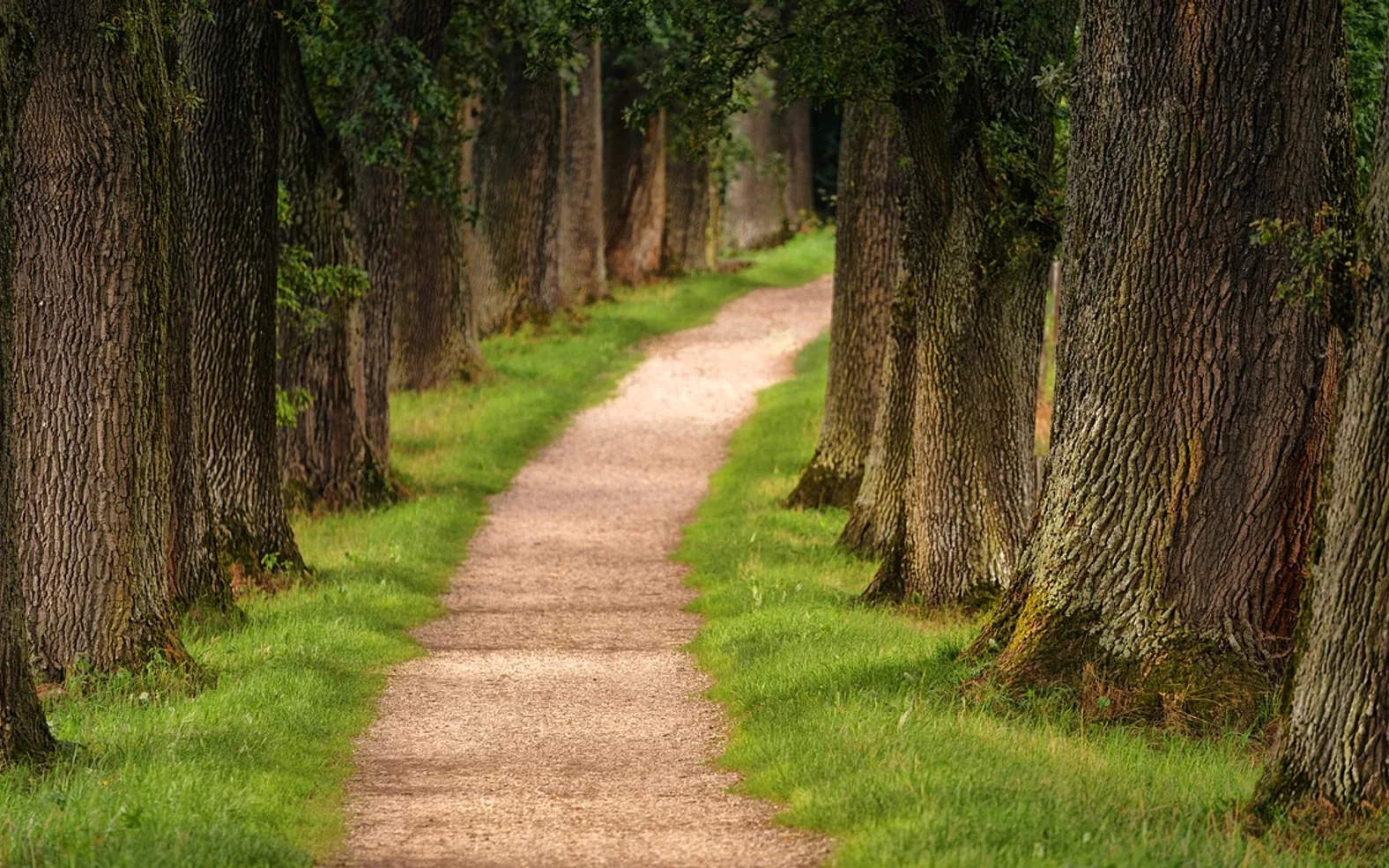
The most memorable hikes often look effortless from the outside: a steady climb, a picnic with a view, and an easy walk back as the light turns gold. Behind that calm there is usually some quiet planning. Spending an evening on preparation means you can spend the day itself enjoying the trail rather than worrying about it.
Whether you are planning a short day walk or a few days on the trail with nights at campgrounds or hostels, the same steps apply.
1. Be honest about your group
Start with the people, not the map. Consider the fitness and experience of everyone coming, any injuries or health conditions, the age of children, and how far each person is comfortable walking. The slowest walker sets the pace, and that is fine; a hike is not a race.
If you are new to hiking, begin with shorter, well-marked routes and build up. It is far better to finish feeling you could have gone further than to struggle on a route that was too ambitious.
2. Choose the route
Guidebooks, official park websites and local visitor centres are good places to look. When comparing routes, pay attention to:
- Distance – including the return leg if it is not a loop.
- Elevation gain – climbing slows most people down considerably.
- Terrain – smooth paths, rocky sections, scrambles or river crossings.
- Waymarking – how clearly the trail is signed.
- Facilities – parking, toilets, water sources and places to rest.
- Escape options – points where you can shorten the route if needed.
Estimate how long it will take using your group’s usual pace, add extra time for climbs, then add more for breaks, photos and the unexpected. Plan to finish well before dark.
3. Check the rules and access
Many parks and protected areas have their own regulations. Look up whether you need a permit or reservation, whether dogs are allowed, where you may camp, and whether any trails are closed for maintenance, wildlife or seasonal reasons.
Fire rules deserve special attention. Campfires may be restricted or banned, particularly in dry periods, and some areas also limit stove use. Check the latest notices from the land manager shortly before you go. If you will have a fire where it is permitted, our guide on building a campfire safely covers the essentials.
4. Watch the weather
Mountain and coastal weather can change quickly. Check the forecast for the specific area, ideally including higher ground if your route climbs, and look again on the morning of the hike. Wind, heat, storms, fog and early darkness all change how a route feels.
Decide in advance what conditions would make you postpone or switch to an easier walk. Making that call at home is much easier than on an exposed ridge.
5. Plan where you will stay
For multi-day trips, book beds or pitches early in busy seasons. Hostels near popular trailheads make a comfortable base and a good place to swap route tips; if you have never stayed in one, read our first-timer’s guide to hostels. Campgrounds put you closer to the trail and often cost less.
6. Pack the essentials
Even on a short day hike, carry a small kit that covers the basics:
- Map and a way to navigate, with offline maps downloaded on your phone
- Plenty of water, and a way to treat water if you will refill from streams
- Food and snacks, with a little extra
- Waterproof jacket and a warm layer
- Sun protection: hat, sunglasses and sunscreen
- Head torch
- First-aid kit, including blister care
- Whistle and a charged phone
- Rubbish bag to pack everything out
Wear footwear you have already broken in, and socks designed for walking. New boots on a long hike are a reliable route to blisters.
7. Share your plan
Tell someone who is not coming where you are going, which route you will take, when you expect to finish and when they should raise the alarm if they have not heard from you. Let them know when you are safely back. Mobile signal can be patchy in the hills, so do not rely on it alone.
8. On the trail
- Start early to give yourself a margin of daylight.
- Take short, regular breaks to eat and drink before anyone gets tired.
- Check your map at junctions rather than guessing.
- Stick to the path to protect plants and reduce erosion.
- Give wildlife space and never feed animals.
- Turn back if the weather worsens, someone is struggling or you are running out of time. The trail will still be there another day.
9. Afterwards
Once home, note what went well and what you would change: the pace, the snacks, the gear you never touched. Those notes make the next trip easier to plan, and over time your own experience becomes the best guidebook you have.
Editor’s picks
 MoviesWhy IPTV Continues to Gain Ground Across France2 min read
 MoviesIPTV in the Netherlands: Enhancing Entertainment with Innovation and Convenience2 min read
 ActivitiesA Fresh Start: The Benefits of End of Lease Cleaning in Melbourne3 min read
 GamesMinecraft, Still Popular in 2025? Why the Answer Is Yes2 min read
Through the years
2026
2025
- The IVG Pro: Design, Consistency, and Convenience for Adult Vapers
- From Site to Sorting: How Container Services Streamline Construction Projects in Germany
- Photo Booth Hire That People Actually Use: How It Turns Moments Into Shared Stories
- Gentle Tributes, Delivered: Ordering a Funeral Bouquet From an Online Flower Shop
- Silicon and Soil: Champagne’s Quiet Tech Upgrade
2024
- Why UK-Based SEO Agencies Are Leading the Way in Digital Marketing Excellence
- From Education to Entertainment: How AI Is Reshaping Learning and Leisure
- How Automation and AI Are Revolutionizing Google Ads Campaigns
- Space-Saving Illumination: How Recessed Lighting Enhances Small Rooms
- Crafting Comfort: Customizable Options for Retractable Awnings