Travel5 min read
How to Start a Travel Blog

To start a travel blog, pick a focus narrow enough to be useful, choose a name and a publishing platform, write a handful of posts that answer questions real travellers ask, and publish on a schedule you can keep. The technical setup takes an afternoon. The part that decides whether anyone reads it is what you write about and whether you keep going.
Step 1: decide what the blog is for
Be honest about the goal, because it shapes every later choice.
- A journal for family and friends: write what you like, in order, and do not worry about anything below.
- A resource for other travellers: think about what people need to know before a trip and build around that.
- A portfolio or a side income: possible, but slow. Treat any earnings as a distant bonus, not a plan.
Step 2: choose a focus
"Travel" is too broad to stand out. A blog does better when a stranger can tell in one sentence who it is for. Useful ways to narrow it:
- A place you know well: one country, one region, one city.
- A way of travelling: by train, on foot, with a tent, with small children, on a tight budget.
- A point of view: travelling with a disability, over sixty, or as a vegetarian.
The best focus is one you can write fifty posts about without running dry.
Step 3: pick a name and a platform
Choose a name that is short, easy to spell aloud and not tied to something that will change, such as your age or a single trip. Check that the matching web address is free.
For the site itself there are two broad routes. Hosted blogging services are quick to set up and handle the technical side for you, with less control over design. Running your own site on rented web space takes more effort and gives you full ownership. Either is fine for a beginner; what matters is having your own web address so you can move later without losing readers.
Step 4: set up the essentials
- A clean, readable design that works on a phone.
- An "About" page that says who you are and what the blog covers.
- A contact page or email address.
- A privacy notice, particularly if you use visitor statistics or a newsletter form.
- Three to five categories that match your focus.
A simple logo is enough. If you make one, save it in a format that stays sharp at any size; our article on why vector files suit logos and icons explains the difference between pixels and paths.
Step 5: write posts that help someone
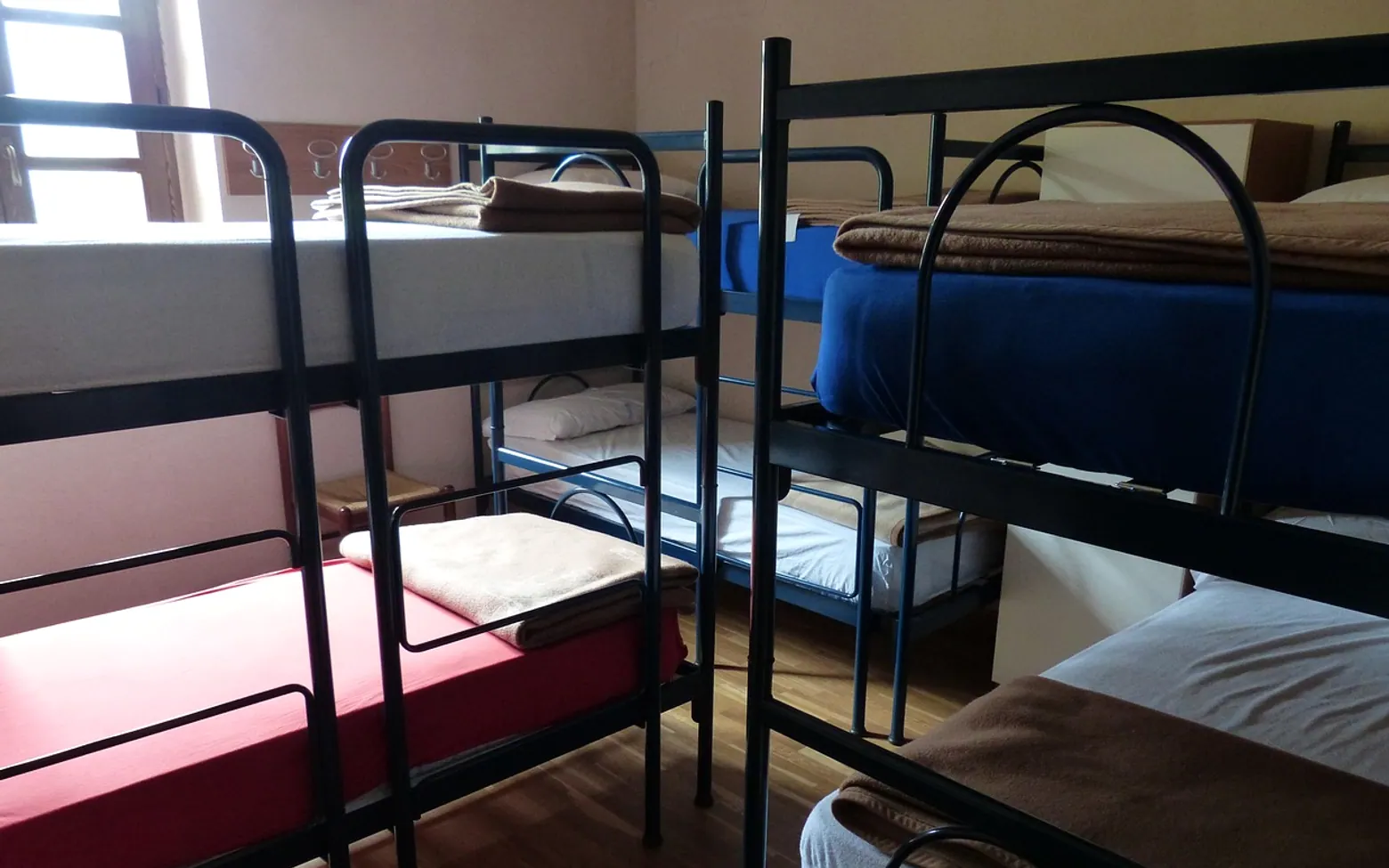
The posts that keep attracting readers are rarely diary entries. They answer a specific question: how to get from the airport to the old town, what a hostel dorm is like, what to pack for a week of camping. Our own guide to what a hostel is and how a first stay works is that kind of piece.
A workable structure for most posts:
- Answer the main question in the first paragraph.
- Break the detail into sections with plain headings.
- Include the practical facts you wished you had known: opening days, the walk from the station, what was closed.
- Say when you visited, since details go out of date.
- End with what to read next.
Write the way you would explain it to a friend. Be honest about what was disappointing; readers trust a blog that admits a famous viewpoint was crowded and overpriced.
Step 6: photos
A phone camera is good enough. Take wide shots that show a place, details that show its character, and practical pictures of signs, timetables and entrances. Resize images before uploading so pages load quickly, and describe each one in its alt text for readers using screen readers. Only use photos you took yourself or have clear permission to use.
Step 7: help readers find you
Many blog readers arrive from search engines, so write titles that match what people type, such as "how to travel cheap" in place of "pinching pennies on the road". Link your own posts to each other where it helps. Beyond that, be patient: new sites take months to be noticed. For a sense of what professionals look at, our piece on how search agencies research and measure their work is a useful overview, and paid promotion is a separate discipline described in our article on automated advertising campaigns. Neither is necessary for a personal blog.
Share new posts where your likely readers already gather, and consider a simple email newsletter for people who want updates.
Step 8: keep going
| Stage | A realistic aim |
|---|---|
| First month | Site live, five posts published |
| First six months | One post every week or two; older posts tidied up |
| First year | A clear set of topics you are known for among a small, steady readership |
Keep a running list of post ideas and draft on the road while details are fresh. A regular rhythm matters more than length.
What about making money?
Some blogs earn through advertising, affiliate links, sponsored stays or selling guides. Most earn little or nothing, and income usually follows years of consistent work. If you accept free trips or payment, say so clearly in the post; many countries require that disclosure, and readers deserve it either way. Keep your own money decisions grounded: the saving habits in our guide to travelling cheaply will fund more trips than a new blog will.
Common questions
Do you need to travel full time?
No. Some of the most useful blogs cover one region in depth, written by someone who lives there.
How long should a post be?
Long enough to answer the question properly and no longer. A bus timetable explainer may need three hundred words; a week-long itinerary may need two thousand.
Is it too late to start?
There are many travel blogs, and plenty of them go quiet after a few months. A focused, honest, regularly updated one is still rare.
Editor’s picks
 MoviesWhy IPTV Continues to Gain Ground Across France3 min read
 MoviesIPTV in the Netherlands: Enhancing Entertainment with Innovation and Convenience3 min read
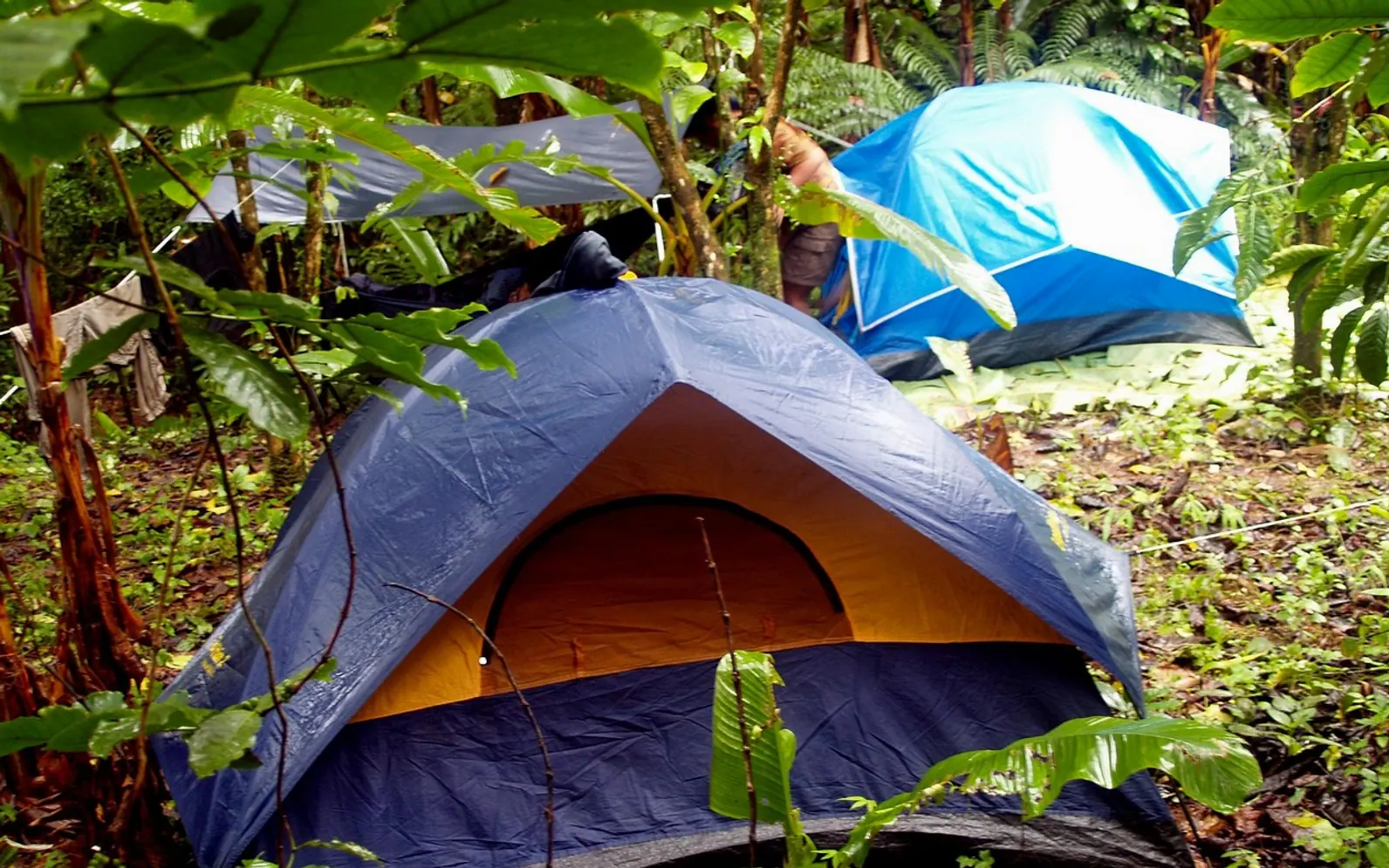 Guides & TipsCamping in the Rain: How to Stay Dry and Enjoy It4 min read
 ActivitiesA Fresh Start: The Benefits of End of Lease Cleaning in Melbourne3 min read
Through the years
2026
2025
- The IVG Pro: Design, Consistency, and Convenience for Adult Vapers
- From Site to Sorting: How Container Services Streamline Construction Projects in Germany
- Photo Booth Hire That People Actually Use: How It Turns Moments Into Shared Stories
- Gentle Tributes, Delivered: Ordering a Funeral Bouquet From an Online Flower Shop
- Silicon and Soil: Champagne’s Quiet Tech Upgrade
2024
- Why UK-Based SEO Agencies Are Leading the Way in Digital Marketing Excellence
- From Education to Entertainment: How AI Is Reshaping Learning and Leisure
- How Automation and AI Are Revolutionizing Google Ads Campaigns
- Space-Saving Illumination: How Recessed Lighting Enhances Small Rooms
- Crafting Comfort: Customizable Options for Retractable Awnings