Activities2 min read
Safe and Efficient Choices for Modern Skydiving Rigs

New jumpers tend to spend their first gear budget on the visible items: a helmet, a jumpsuit, an altimeter with a bright display. Yet the piece of equipment that does the most work on every jump is the rig itself, the system that holds the main canopy, the reserve and everything that connects them to your body. Knowing how it fits together makes choosing one far less daunting.
The parts that make up a rig
A complete rig has three main elements: the container, the harness and the canopies inside. Specialist retailers such as skydiveshop.com lay out these components clearly, which is helpful when you are trying to understand how a container size, a harness style and a reserve choice relate to each other before buying.
- Container: the backpack-like housing. Well-designed flaps keep the pilot chute and bridle protected from wind until deployment.
- Harness: the straps that hold you. It must be snug but allow you to move, with adjustment points to match your build.
- Main and reserve canopies: the main is for every jump, the reserve for when the main does not perform as it should.
- Automatic activation device: many jumpers add one as a backup that can deploy the reserve in certain situations.
Fit and comfort are safety features
A harness that pinches or slips is more than an annoyance. Poor fit can strain shoulders and back and make it harder to reach handles quickly. Many rigs are built to measure, so taking accurate measurements, ideally with help from someone experienced, is worth the time. Padding at the leg straps and a well-placed chest strap make long days at the drop zone far more pleasant.
Materials that last
Modern containers use strong, lightweight nylon fabrics that resist tearing and dry reasonably quickly after a damp landing. Reinforced stitching at stress points helps the harness cope with the force of each opening. Hardware should be corrosion-resistant and smooth. When comparing options, ask how the materials hold up over years of packing and handling, not only how they look when new.
Choosing sensibly
A rig should match your experience, body size and the canopy sizes you are cleared to fly. Jumping a canopy that is too small for your skill level is a common way to get into trouble, so canopy choices are best discussed with your instructors.
- Ask the instructors and seasoned skydivers where you jump for their views.
- Have a qualified rigger inspect any used gear before you buy it.
- Keep reserve repacks and inspections on the schedule your local rules require.
- Learn your handles and emergency procedures until they are second nature.
Gear and training together
Even the best rig is only part of the picture. Proper training, regular practice of emergency drills and honest conversations with instructors carry as much weight as equipment. Chosen carefully and maintained well, a modern rig lets you focus on the freefall, the view and the people you jump with.
Editor’s picks
 MoviesWhy IPTV Continues to Gain Ground Across France2 min read
 MoviesIPTV in the Netherlands: Enhancing Entertainment with Innovation and Convenience2 min read
 ActivitiesA Fresh Start: The Benefits of End of Lease Cleaning in Melbourne3 min read
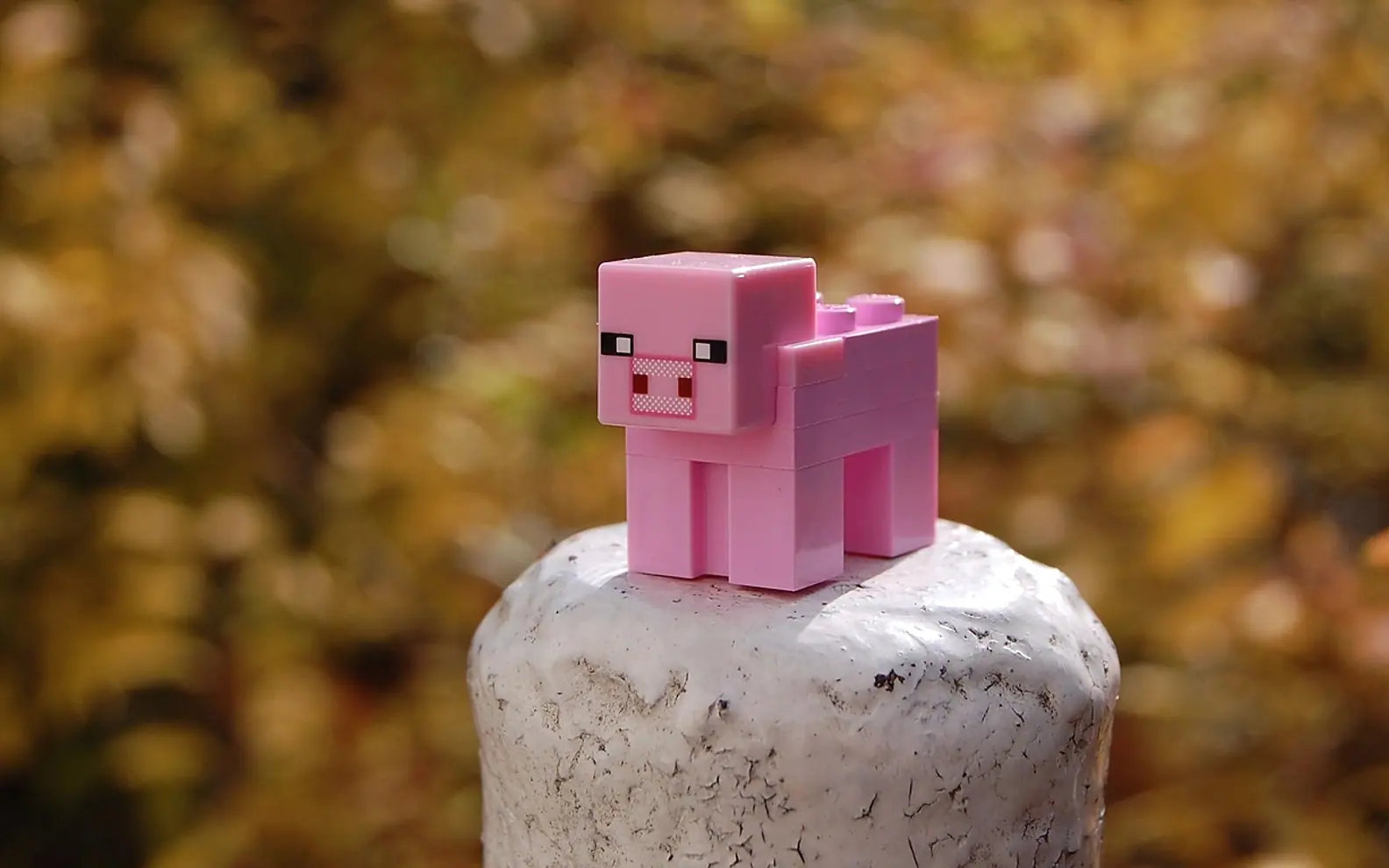 GamesMinecraft, Still Popular in 2025? Why the Answer Is Yes2 min read
Through the years
2026
2025
- The IVG Pro: Design, Consistency, and Convenience for Adult Vapers
- From Site to Sorting: How Container Services Streamline Construction Projects in Germany
- Photo Booth Hire That People Actually Use: How It Turns Moments Into Shared Stories
- Gentle Tributes, Delivered: Ordering a Funeral Bouquet From an Online Flower Shop
- Silicon and Soil: Champagne’s Quiet Tech Upgrade
2024
- Why UK-Based SEO Agencies Are Leading the Way in Digital Marketing Excellence
- From Education to Entertainment: How AI Is Reshaping Learning and Leisure
- How Automation and AI Are Revolutionizing Google Ads Campaigns
- Space-Saving Illumination: How Recessed Lighting Enhances Small Rooms
- Crafting Comfort: Customizable Options for Retractable Awnings