Games2 min read
Minecraft, Still Popular in 2025? Why the Answer Is Yes
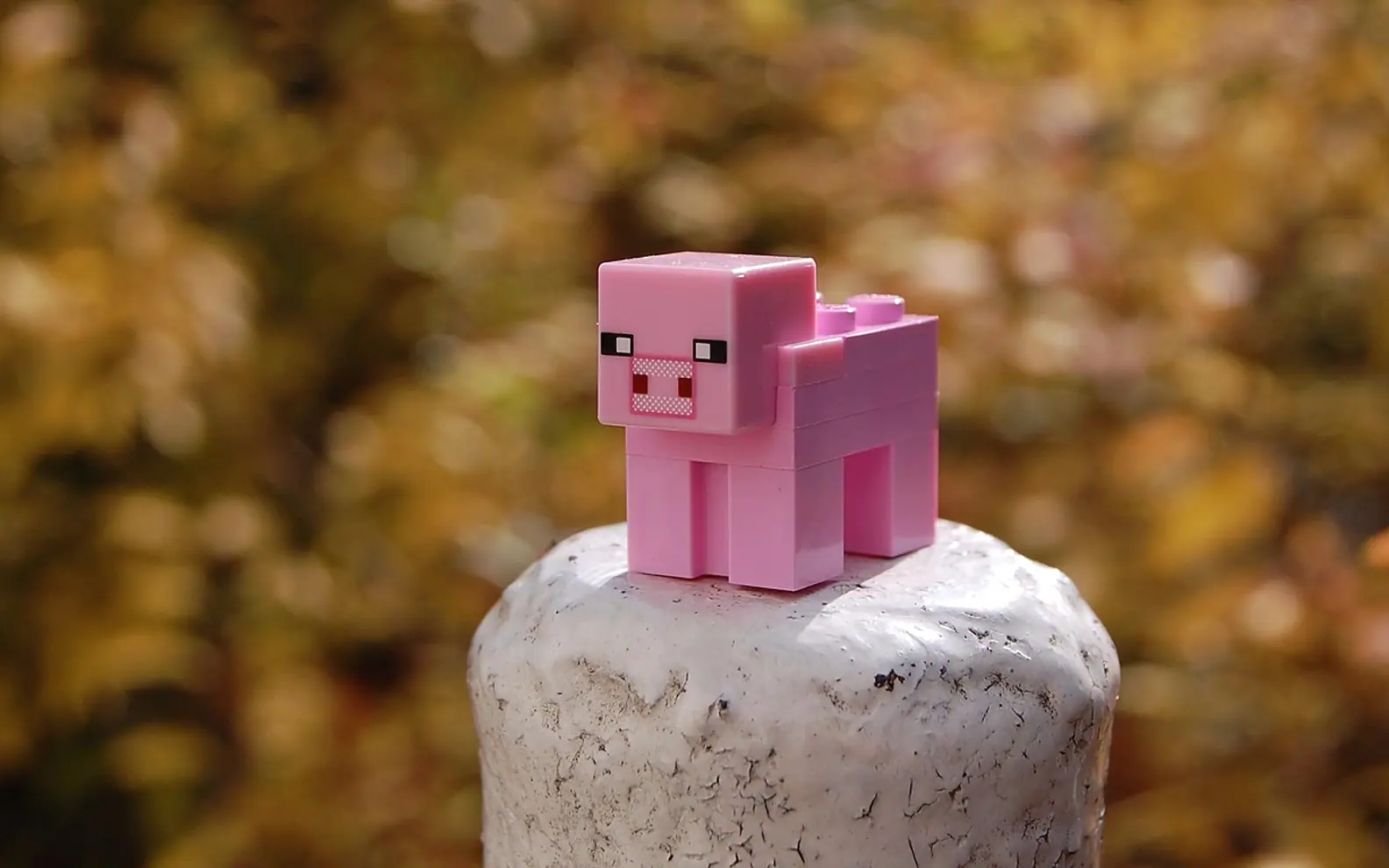
Most games have a clear arc: a loud launch, a busy first year, then a slow fade as players move on. Minecraft never followed that pattern. Years after its blocky landscapes first appeared, it remains one of the titles friends suggest when they want something to play together, and that staying power has several sources.
A sandbox that keeps being refilled
Regular updates are the foundation. New biomes, creatures, blocks and mechanics arrive often enough that returning players find something unfamiliar, while the core loop of gathering, building and surviving stays recognisable. That balance matters. Change too much and long-time fans feel lost; change too little and the world goes stale. Minecraft's developers have kept updates additive, so an old castle still stands after a patch, now with new things to discover around it.
Servers carry much of that freshness too. Community-run worlds introduce their own rules, economies and challenges, and lists of cross-play, minecraft prison servers make it easy to find one of the more structured formats, where players work their way up through ranks, trade and team up, which gives the game a goal-driven feel that some people prefer to open-ended building.
Creators who never run out of ideas
Video platforms and live streaming keep Minecraft in front of new audiences every day. Survival challenges, redstone contraptions, hardcore runs and giant building projects all attract viewers, and many of those viewers open the game afterwards to try something similar. That cycle of watching and copying spreads new playstyles quickly. A clever farm design or a fresh challenge format can travel across the community within days.
From pastime to classroom tool
Minecraft's education version has given the game a second life in schools. Teachers use it to model geometry, rebuild historical sites, or set problem-solving tasks that require planning and teamwork. For students, this means the game is familiar both as entertainment and as a learning space, and that dual identity helps it pass from one generation of players to the next. Parents who once watched their children play now sometimes see younger siblings pick it up in class.
Fewer walls between platforms
The Bedrock edition lets friends on consoles, phones and PCs share a world, which removes one of the most common reasons groups stop playing together. Java players have their own routes to mixed setups through community servers. Either way, the aim is the same: anyone with a device can join.
- Low hardware demands keep it running on modest machines.
- Simple controls make it approachable for younger players.
- Mods and resource packs let experienced players reshape almost everything.
So, still popular?
Yes, and for reasons that reinforce each other. Updates give players a reason to return, creators give them ideas, schools introduce new ones, and cross-play keeps groups together. Few games combine all four, which is why Minecraft still feels current rather than nostalgic.
Editor’s picks
 MoviesWhy IPTV Continues to Gain Ground Across France2 min read
 MoviesIPTV in the Netherlands: Enhancing Entertainment with Innovation and Convenience2 min read
 ActivitiesA Fresh Start: The Benefits of End of Lease Cleaning in Melbourne3 min read
- GamesMinecraft, Still Popular in 2025? Why the Answer Is Yes2 min read
Through the years
2026
2025
- The IVG Pro: Design, Consistency, and Convenience for Adult Vapers
- From Site to Sorting: How Container Services Streamline Construction Projects in Germany
- Photo Booth Hire That People Actually Use: How It Turns Moments Into Shared Stories
- Gentle Tributes, Delivered: Ordering a Funeral Bouquet From an Online Flower Shop
- Silicon and Soil: Champagne’s Quiet Tech Upgrade
2024
- Why UK-Based SEO Agencies Are Leading the Way in Digital Marketing Excellence
- From Education to Entertainment: How AI Is Reshaping Learning and Leisure
- How Automation and AI Are Revolutionizing Google Ads Campaigns
- Space-Saving Illumination: How Recessed Lighting Enhances Small Rooms
- Crafting Comfort: Customizable Options for Retractable Awnings