Guides & Tips4 min read
What to Pack for Camping
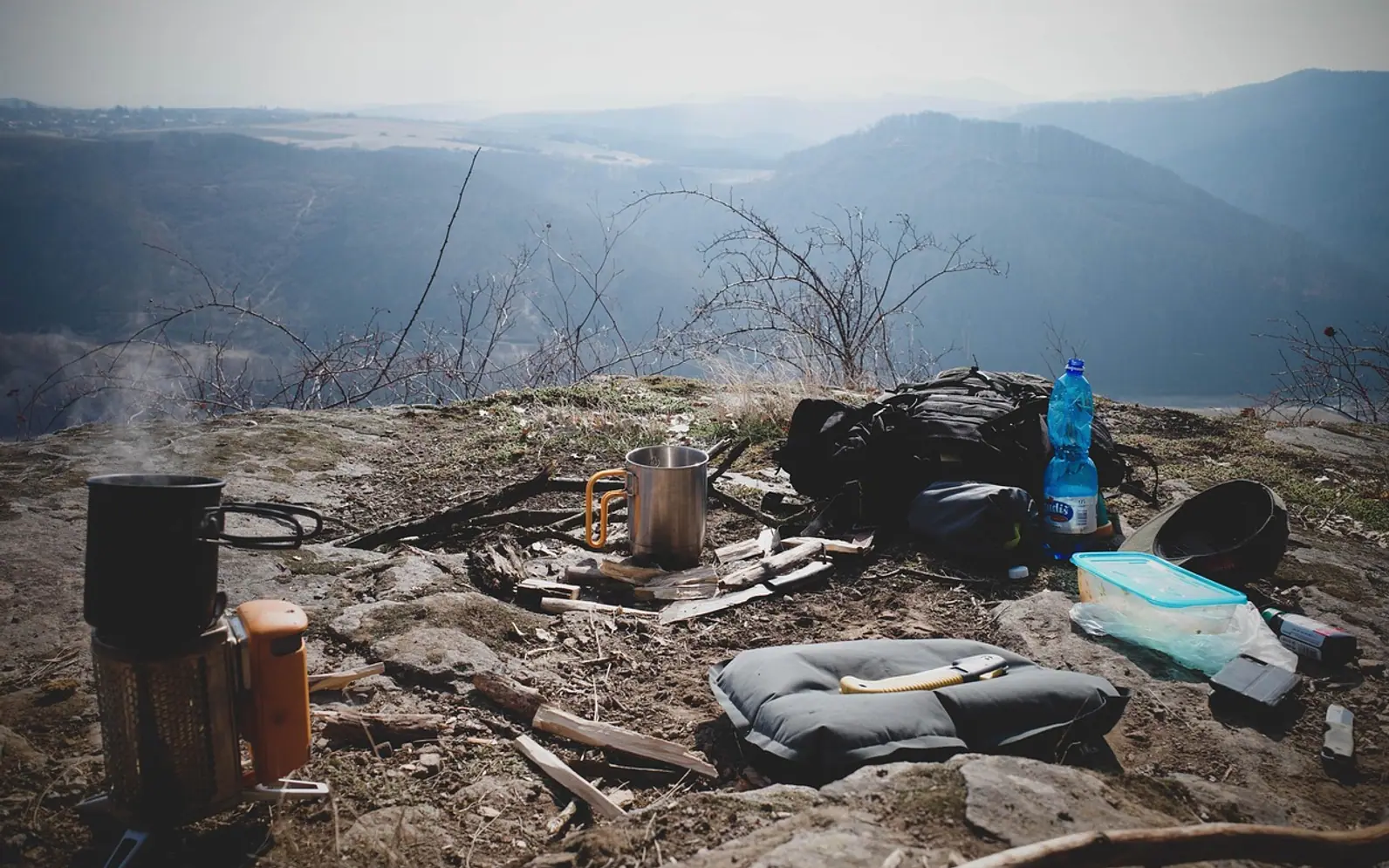
The best camping trips feel easy, and that ease usually comes from packing well. Forget a tent peg and you can improvise. Forget the sleeping mat and the night will feel very long. This list is grouped by the job each item does, which makes it easier to spot gaps and to scale up or down depending on the trip.
Treat it as a starting point. A summer weekend at a campground with showers needs less than a few nights at a remote pitch in the shoulder season.
Shelter
- Tent with poles, pegs and guylines – pitch it at home once to check every part is there
- Footprint or groundsheet to protect the tent floor
- A few spare pegs and a small mallet
- Tarp for extra shade or rain cover, with some cord
If you are new to setting up, practise in the garden or a park before the trip, ideally once in daylight and once by torchlight.
Sleep
- Sleeping bag suited to the coldest night you expect
- Sleeping mat or air mattress, plus its pump or repair kit
- Pillow, or a stuff sack you can fill with clothes
- Earplugs and an eye mask for busy campgrounds or early sunrises
The sleeping mat matters as much as the bag, because the ground draws heat away from your body. Our guide to choosing a sleeping bag explains how the two work together.
Camp kitchen
- Stove, fuel and a lighter or matches, kept in a waterproof bag
- Pot, pan and a lid
- Plates, bowls, mugs and cutlery for everyone
- Sharp knife and a small chopping board
- Cooler or insulated bag with ice packs for perishables
- Water bottles or a large water container
- Biodegradable washing-up liquid, a sponge and a tea towel
- Rubbish bags, so you can pack everything out
Plan meals before you shop. Simple one-pot dishes, wraps, porridge and pre-chopped vegetables keep washing up to a minimum. Pack food in sealed containers and store it away from the tent at night so it does not attract animals.
Clothing
Layers are more useful than bulky single items, because outdoor temperatures can swing widely between afternoon and night.
- Base layers that dry quickly
- A warm mid layer such as a fleece
- Waterproof jacket, even if the forecast looks dry
- Comfortable trousers or shorts for the day, warmer trousers for evenings
- Warm hat and a sun hat
- Spare socks – more than you think you need
- Sturdy footwear plus sandals or slip-ons for around camp
- Something comfortable to sleep in
Light and power
- Head torch for each person, with spare batteries
- A lantern for the table or tent
- Power bank for phones
A head torch keeps both hands free for cooking or finding the path to the washrooms in the dark.
Safety and health
- First-aid kit with plasters, blister care, antiseptic wipes and any personal medication
- Sunscreen and insect repellent
- Map of the area and a way to navigate that does not rely only on mobile signal
- Whistle
- Small multi-tool or knife
- Bucket or large container for water near any campfire or stove
If you plan to have a fire, check the site’s current fire rules on arrival and read our guide on building a campfire safely. Stoves need care too: use them on stable ground, outdoors, and never inside a closed tent.
Hygiene
- Toothbrush, toothpaste and a small towel
- Hand sanitiser and biodegradable soap
- Toilet paper in a waterproof bag
- Wet wipes, packed out after use
Comfort extras
These are optional, but they often make the difference between “we survived” and “let’s do that again”:
- Camp chairs and a small folding table
- Playing cards, a book or a compact board game
- A blanket for sitting outside after dark
- A washing line and pegs for damp towels
How to adjust the list
For colder or wetter weather
Add a warmer sleeping bag or a liner, extra insulation for your mat, gloves, waterproof trousers and a dry bag for spare clothes. Pack a few extra hot-drink supplies too.
For hot weather
Prioritise shade, extra water, light breathable clothing and a hat. Plan activities for the cooler parts of the day.
For walk-in or backpacking sites
Weight becomes the main concern. Share items such as the stove and tent between the group, swap glass jars for light containers, and leave the comfort extras behind.
Final checks before you leave
- Lay everything out on the floor and tick it off.
- Check the weather forecast and adjust clothing and sleep gear.
- Confirm the campsite’s rules on fires, pets and quiet hours.
- Tell someone where you are going and when you expect to return.
- Pack the tent and the things you need first on arrival where you can reach them easily.
Keep your list after the trip and note what you did not use and what you wished you had. By the third outing, packing will take minutes rather than an evening.
Editor’s picks
 MoviesWhy IPTV Continues to Gain Ground Across France2 min read
 MoviesIPTV in the Netherlands: Enhancing Entertainment with Innovation and Convenience2 min read
 ActivitiesA Fresh Start: The Benefits of End of Lease Cleaning in Melbourne3 min read
 GamesMinecraft, Still Popular in 2025? Why the Answer Is Yes2 min read
Through the years
2026
2025
- The IVG Pro: Design, Consistency, and Convenience for Adult Vapers
- From Site to Sorting: How Container Services Streamline Construction Projects in Germany
- Photo Booth Hire That People Actually Use: How It Turns Moments Into Shared Stories
- Gentle Tributes, Delivered: Ordering a Funeral Bouquet From an Online Flower Shop
- Silicon and Soil: Champagne’s Quiet Tech Upgrade
2024
- Why UK-Based SEO Agencies Are Leading the Way in Digital Marketing Excellence
- From Education to Entertainment: How AI Is Reshaping Learning and Leisure
- How Automation and AI Are Revolutionizing Google Ads Campaigns
- Space-Saving Illumination: How Recessed Lighting Enhances Small Rooms
- Crafting Comfort: Customizable Options for Retractable Awnings