Travel4 min read
What Is Glamping?
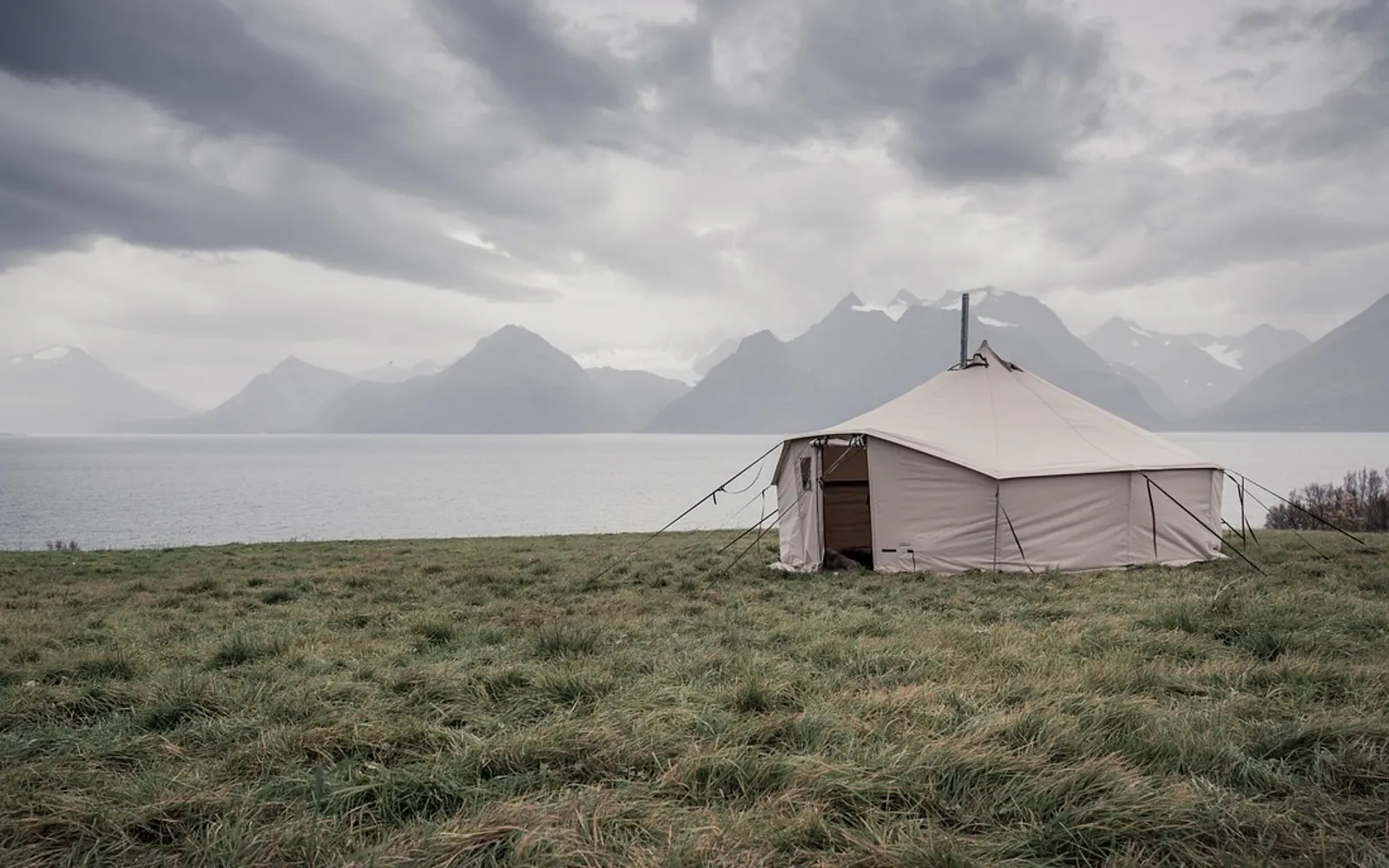
Glamping, short for glamorous camping, is a stay outdoors where the shelter is already set up and furnished when you arrive. You sleep in a real bed inside a safari tent, yurt, cabin or dome, often with heating, lighting and a private bathroom, while still waking up to birdsong and a view. It gives people the setting of a campsite without the packing, pitching and sleeping on the ground.
The main types of glamping stay
| Type | What it is | Good to know |
|---|---|---|
| Bell tent | A round canvas tent with a central pole | The closest to ordinary camping; bathrooms are often shared |
| Safari tent | A large framed canvas tent, often on a wooden platform | Room for a family; may have its own kitchen and bathroom |
| Yurt | A round structure with a lattice wall and domed roof | Holds heat well; many have a wood stove |
| Pod or cabin | A small insulated timber hut | Works in cold or wet seasons |
| Dome | A geodesic frame with a clear panel | Made for stargazing; can get warm in strong sun |
| Treehouse | A cabin raised among trees | Steps or ladders; check suitability for small children |
| Vintage caravan or shepherd's hut | A restored trailer or wheeled hut | Compact, usually for two |
What is usually included
Every site is different, so read the listing closely. As a rough sketch:
- Normally provided: a bed with a mattress, some furniture, lighting, and access to toilets and showers.
- Often provided: bed linen, a heater or stove, a small kitchen or shared cooking area, a fire pit or barbecue.
- Sometimes extra: towels, firewood, breakfast, a hot tub.
Glamping compared with camping
- Effort: no tent to pitch or dry out, and far less to carry.
- Comfort: a proper bed and solid shelter take most of the worry out of bad weather.
- Cost: usually well above a campground pitch, and sometimes on a level with a hotel.
- Freedom: you stay where the structure is, on set dates, while a tent can go wherever camping is allowed.
At the opposite end of the scale sits camping on public land with no facilities at all, where everything you need arrives and leaves with you.
Who it suits
Glamping works well for people who are curious about camping but unsure about the ground, for families with very young children, for mixed groups where not everyone enjoys roughing it, and for trips in the cooler months. It is also a comfortable way to mark an occasion outdoors. Travellers watching every coin will find better value elsewhere, and our comparison of hostels and hotels covers the cheaper beds.
What to find out before reserving a unit
- Is the bathroom private or shared, and how far is it from the unit?
- How is the unit heated or cooled, and is fuel included?
- Is there electricity for charging, and any phone signal or Wi-Fi?
- What are the cooking arrangements, and what should you bring?
- How close are the neighbouring units?
- Are dogs, children or groups accepted?
- What is the cancellation policy if the weather is poor?
What to pack anyway
Less than for camping, though more than for a hotel. A torch for the walk to the bathroom, warm layers for the evening, shoes that cope with wet grass, insect repellent and a few games for after dark all earn their place. Skim our camping packing list and cross off whatever the site already provides.
Keeping the cost down
Prices tend to peak at weekends and in school holidays. Midweek and shoulder-season stays are often markedly cheaper, a pattern the timing section of our guide to travelling cheaply explains. Basic bell tents with shared facilities cost less than units with private bathrooms and hot tubs, and bringing your own food avoids the price of on-site meals.
Glamping and the land around it
A furnished tent is still a guest in a field or a wood. Keep to paths, follow the site's rules on fires, keep noise low at night and take rubbish to the bins provided. Well-run sites are usually glad to explain how they handle water, waste and wildlife.
Common questions
Is glamping real camping?
That depends on who you ask. You sleep outdoors under canvas or timber and spend the evening outside, which is the part many people go for. The skills of pitching and packing are missing, and for some campers those are half the point.
Can you go glamping in winter?
Many sites stay open all year with insulated pods, cabins or stove-heated yurts. Ask how the unit is heated and bring warm clothes for trips outside it.
Do you need your own bedding?
Often not, though some simpler sites ask guests to bring sleeping bags or charge for linen. The listing should say; if it does not, ask.
Editor’s picks
 MoviesWhy IPTV Continues to Gain Ground Across France3 min read
 MoviesIPTV in the Netherlands: Enhancing Entertainment with Innovation and Convenience3 min read
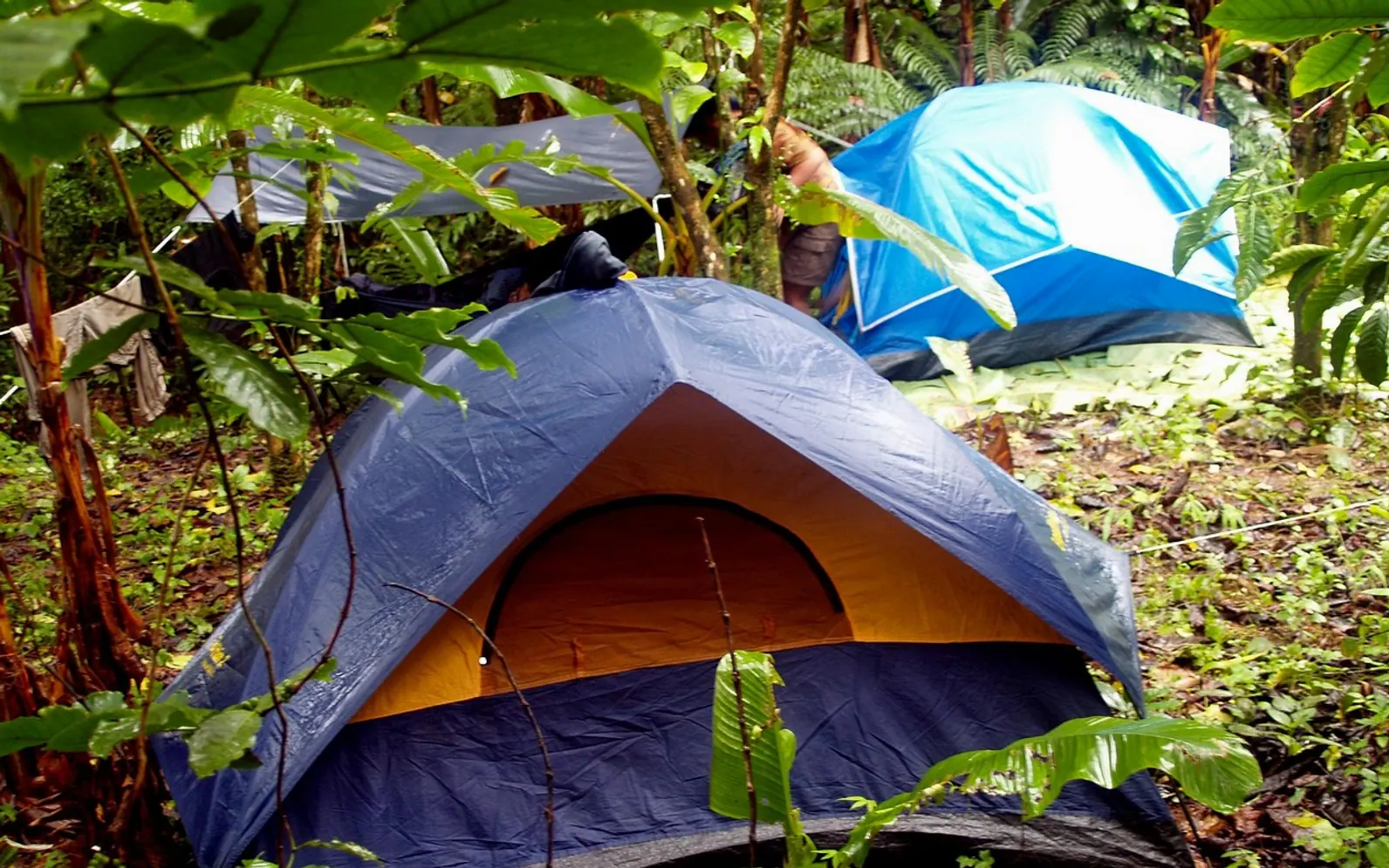 Guides & TipsCamping in the Rain: How to Stay Dry and Enjoy It4 min read
 ActivitiesA Fresh Start: The Benefits of End of Lease Cleaning in Melbourne3 min read
Through the years
2026
2025
- The IVG Pro: Design, Consistency, and Convenience for Adult Vapers
- From Site to Sorting: How Container Services Streamline Construction Projects in Germany
- Photo Booth Hire That People Actually Use: How It Turns Moments Into Shared Stories
- Gentle Tributes, Delivered: Ordering a Funeral Bouquet From an Online Flower Shop
- Silicon and Soil: Champagne’s Quiet Tech Upgrade
2024
- Why UK-Based SEO Agencies Are Leading the Way in Digital Marketing Excellence
- From Education to Entertainment: How AI Is Reshaping Learning and Leisure
- How Automation and AI Are Revolutionizing Google Ads Campaigns
- Space-Saving Illumination: How Recessed Lighting Enhances Small Rooms
- Crafting Comfort: Customizable Options for Retractable Awnings