Activities4 min read
Backyard Camping: How to Plan a Night Outside at Home
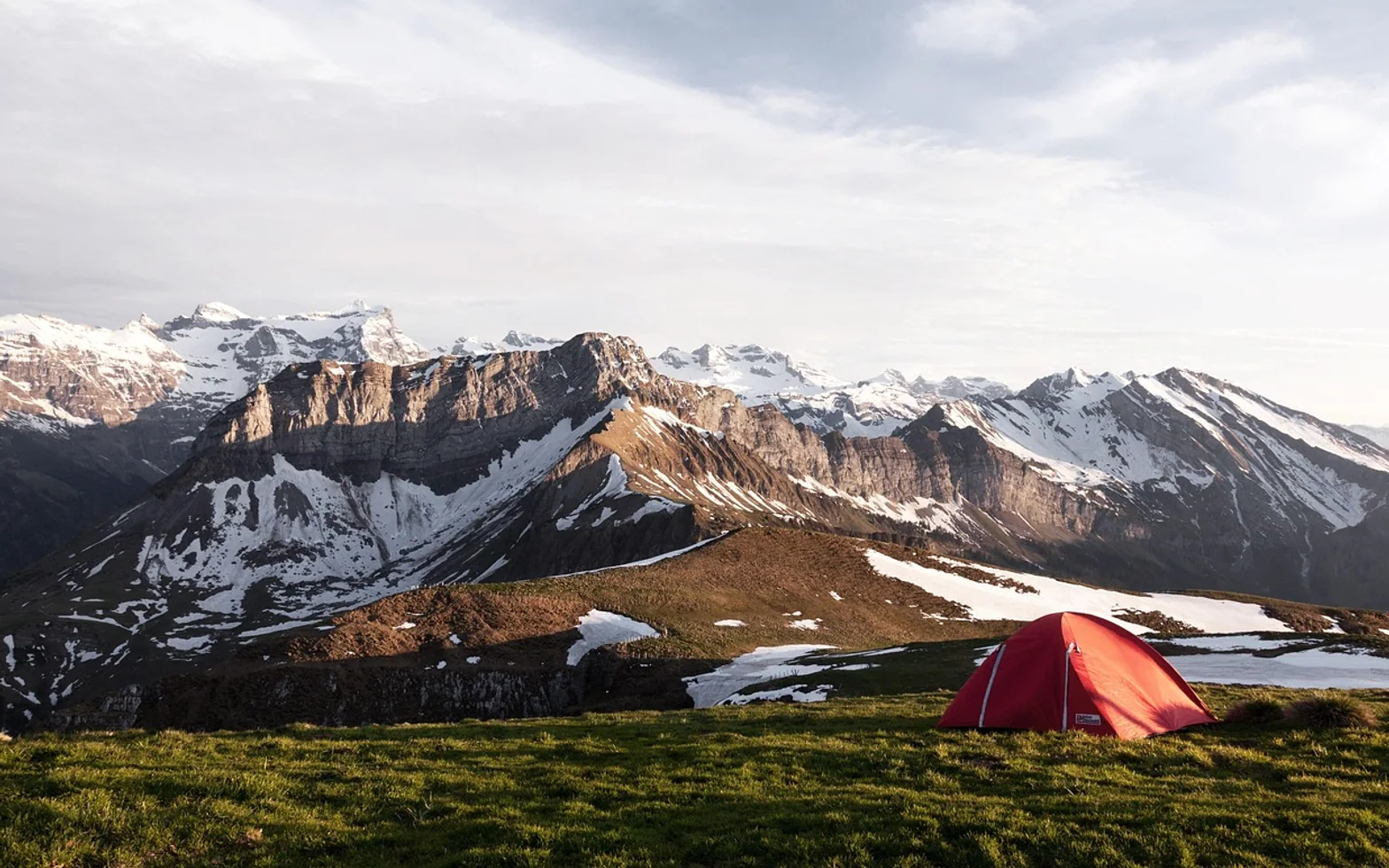
Backyard camping is a night in a tent, or under the open sky, in your own garden. There is no drive, no booking and no penalty for forgetting something, because the kitchen is twenty steps away. That makes it the easiest way to try camping with small children, to test new gear before a real trip, or simply to make an ordinary Saturday feel different.
It still goes better with a little planning. Treat it as a proper trip with a short commute and the evening tends to hold together until morning.
Pick the spot before the day
Walk the garden in daylight and look for ground that is flat, free of roots and stones, and not the lowest point of the lawn, where water gathers after a shower. Keep clear of overhanging dead branches. A fence or hedge on the windward side makes a noticeable difference to comfort, and if the boundary itself is on your list of projects, our walk-through of a fencing job from first quote to final check covers the decisions involved.
No lawn? A freestanding dome tent stands happily on a patio or timber deck, with water bottles or sandbags tied to the corners in place of pegs. Check that the surface is sound first; the questions worth asking a deck builder are a useful reminder of what a deck is expected to carry.
What to carry outside
- Shelter: tent, pegs or weights, a groundsheet. If the tent is new to you, follow the order in our guide on how to pitch a tent and time yourself.
- Sleep: mats, sleeping bags or duvets from the house, pillows. Nobody is checking your pack weight tonight.
- Light: a torch per person and one lantern for the tent. Leave the garden floodlight off so eyes can adjust.
- Warmth: a hat and an extra layer each. Gardens cool down faster than people expect after midnight.
- Small comforts: a flask, a book, a blanket to sit on.
Supper and snacks
Cook indoors and eat outdoors, or do the lot on a barbecue or camping stove set on a stable, non-flammable surface away from the tent. Wraps, sausages, corn on the cob and fruit need very little washing up. Keep sweet food in sealed tubs and carry leftovers back inside before bed. Crumbs on a picnic rug are an open invitation, and our explainer on what draws ants towards a house shows how fast one scout becomes a queue.
An open fire is a bigger decision. Many towns restrict garden fires, smoke bothers neighbours, and a fire pit needs clear space and constant supervision. If you do light one, check the local rules first and never leave it burning when everyone heads to the tent.
Things to do once it is dark
| Age group | Ideas |
|---|---|
| Under sixes | Torch shadows on the tent wall, a short story, listening for night sounds |
| Primary age | Star spotting, a treasure hunt by torchlight, simple card games |
| Teenagers | A film on a tablet, a later bedtime, charge of the playlist |
| Adults | A long supper, a pack of cards, an early night with the door unzipped |
Most of the ideas in our round-up of campfire games work just as well around a lantern.
A plan for rain
Decide in advance what counts as "we go inside". Light drizzle on a well-pitched tent is part of the fun; a thunderstorm is not, and nobody should stay in a tent under trees when there is lightning about. A covered terrace gives you a dry place to sit while a shower passes, which is one of the everyday uses described in our piece on choosing the fabric and frame for a retractable awning. For wetter nights away from home, see our guide to camping in the rain.
Keeping it calm for everyone
- Tell the neighbours if children will be out late, and keep music low after ten.
- Leave the back door unlocked or a key in an agreed place, so a midnight toilet trip is easy.
- Bring pets in or settle them in the tent early; a dog that hears the hedgehog at 3am will wake the whole street.
- Agree that anyone can go back to their own bed without it counting as failure.
Common questions
Is backyard camping worth it without children?
Yes. It is the cheapest way to find out whether a new sleeping mat is comfortable, whether the tent leaks and how long the stove takes to boil water, all before those answers matter.
What if someone is scared of the dark?
Keep a dim light on inside the tent, pitch within sight of a lit window and let them hold the torch. Familiar sounds from the house help more than reassurance does.
Do you need a tent at all?
On a dry, mild night a mat and a sleeping bag on the lawn are enough, with a tarp nearby in case the forecast was optimistic. Expect dew by morning either way.
Editor’s picks
 MoviesWhy IPTV Continues to Gain Ground Across France3 min read
 MoviesIPTV in the Netherlands: Enhancing Entertainment with Innovation and Convenience3 min read
 Guides & TipsCamping in the Rain: How to Stay Dry and Enjoy It4 min read
 ActivitiesA Fresh Start: The Benefits of End of Lease Cleaning in Melbourne3 min read
Through the years
2026
2025
- The IVG Pro: Design, Consistency, and Convenience for Adult Vapers
- From Site to Sorting: How Container Services Streamline Construction Projects in Germany
- Photo Booth Hire That People Actually Use: How It Turns Moments Into Shared Stories
- Gentle Tributes, Delivered: Ordering a Funeral Bouquet From an Online Flower Shop
- Silicon and Soil: Champagne’s Quiet Tech Upgrade
2024
- Why UK-Based SEO Agencies Are Leading the Way in Digital Marketing Excellence
- From Education to Entertainment: How AI Is Reshaping Learning and Leisure
- How Automation and AI Are Revolutionizing Google Ads Campaigns
- Space-Saving Illumination: How Recessed Lighting Enhances Small Rooms
- Crafting Comfort: Customizable Options for Retractable Awnings