Guides & Tips2 min read
Ant Infestations: Why They Happen and How to Stop Them
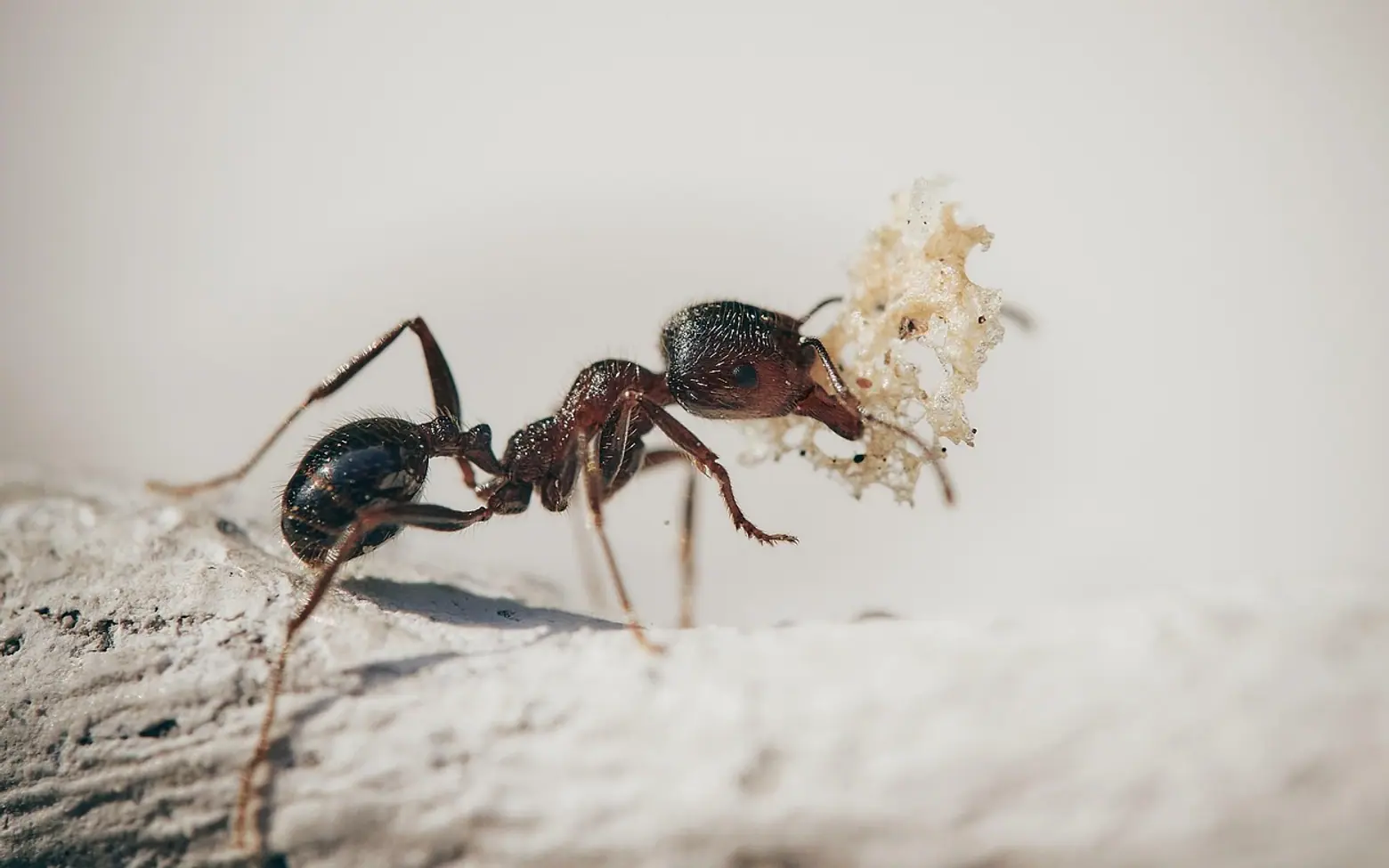
One ant on the kitchen bench is a scout. By the next morning there may be a neat line of them marching from a gap in the window frame to a smear of honey near the toaster. That shift from a single visitor to a busy trail is the reason ants rank among the most stubborn household pests in Australia, and it explains why quick fixes so often disappoint.
What draws ants inside
Ants come indoors for the same few reasons each time: food, water and shelter. Crumbs, pet bowls, sugary spills and fruit left on the counter are obvious attractions. Less obvious are leaking taps, damp cupboards under sinks and the warmth inside wall cavities during cooler months. Hot, dry spells and heavy rain both push colonies to look for more stable conditions, which is why sudden invasions often follow a change in the weather.
Once a scout finds something worthwhile, it lays a chemical trail on the way back to the nest. Other workers follow that scent, reinforce it, and within hours the route is well established.
How a colony keeps growing
Every nest revolves around one or more queens laying eggs continuously. Workers forage, tend larvae and defend the colony, while some species split into satellite nests when disturbed. Killing the ants that are visible barely touches the population hidden in soil, paving cracks or walls, so the trail usually returns within days.
Perth homes commonly see coastal brown ants, black house ants, carpenter ants in timber, and the odd Argentine ant problem, each with slightly different nesting habits and food preferences. Identifying the species matters because it shapes which bait and placement actually work.
Why surface sprays fall short
Household sprays and home remedies such as vinegar or chalk lines can interrupt a trail for a short while. The trouble is that repellent products scatter workers rather than reaching the nest, and stressed colonies may simply relocate or bud into several smaller ones. A tidy kitchen helps, but on its own it rarely ends a well-established infestation.
A targeted plan that reaches the nest
Lasting control focuses on the colony rather than the trail. The general approach looks like this:
- Identify the species and follow trails back toward likely nesting sites.
- Use baits matched to the ants' current food preference, so workers carry them home.
- Apply non-repellent treatments around entry points and the building perimeter.
- Recheck after a short interval and adjust placement if activity continues.
Many households hand this process to specialists. Teams such as adaptive pest control start with identification and a look around the property, then build treatment around how that species behaves, which is often what finally clears a persistent problem.
Keeping them out for good
Prevention is mostly routine. Store pantry food in sealed containers, wipe benches each evening, rinse recycling, and fix dripping taps. Seal gaps around pipes, skirting and window frames, and trim plants so branches do not touch walls or rooflines. Keep mulch and firewood a little way from the house.
If trails keep reappearing despite those habits, or ants are showing up inside timber, power points or wall cavities, it is worth calling in experienced help. The friendly technicians at adaptive pest control can assess the situation and suggest a follow-up schedule that suits the home.
Editor’s picks
 MoviesWhy IPTV Continues to Gain Ground Across France2 min read
 MoviesIPTV in the Netherlands: Enhancing Entertainment with Innovation and Convenience2 min read
 ActivitiesA Fresh Start: The Benefits of End of Lease Cleaning in Melbourne3 min read
 GamesMinecraft, Still Popular in 2025? Why the Answer Is Yes2 min read
Through the years
2026
2025
- The IVG Pro: Design, Consistency, and Convenience for Adult Vapers
- From Site to Sorting: How Container Services Streamline Construction Projects in Germany
- Photo Booth Hire That People Actually Use: How It Turns Moments Into Shared Stories
- Gentle Tributes, Delivered: Ordering a Funeral Bouquet From an Online Flower Shop
- Silicon and Soil: Champagne’s Quiet Tech Upgrade
2024
- Why UK-Based SEO Agencies Are Leading the Way in Digital Marketing Excellence
- From Education to Entertainment: How AI Is Reshaping Learning and Leisure
- How Automation and AI Are Revolutionizing Google Ads Campaigns
- Space-Saving Illumination: How Recessed Lighting Enhances Small Rooms
- Crafting Comfort: Customizable Options for Retractable Awnings