Activities5 min read
How Outdoor Tour Operators Share Their Trips Online
Small outdoor tour operators share their trips online mostly to answer the questions a nervous first-timer would ask: what does a day actually look like, how hard is it, what should I bring, who will be guiding the group, and is it safe. The clearest feeds mix honest trip reports with practical gear and safety information, short introductions to the guides, guest photos shared with permission, seasonal planning posts and regular reminders to leave the trail and campsite as they were found. Done well, this turns a list of dates into a picture of an experience people can judge for themselves.
Trip reports that show the real day
The trip report is the backbone of most outdoor operators' feeds. After a guided hike, a sea kayak crossing or a two-night camping trip, the guide writes a few paragraphs about how it went: the weather, the route, where the group stopped for lunch, a moment that stood out. A handful of photos from the day goes with it.
What makes these reports useful is honesty. If the wind picked up and the group turned back early, saying so builds more trust than a polished highlight reel. Readers learn that the guides make cautious calls, and future guests arrive with realistic expectations about pace and conditions.
What a good trip report includes
- The route or water covered, described in plain terms rather than exact grid references.
- The conditions on the day, including anything that changed the plan.
- A sense of effort: hours on the move, climbs, portages or long stretches of open water.
- One or two small details, such as a heron on the bank or the smell of the first campfire.
- A note on when the next similar trip runs.
Safety and gear information
People thinking about their first guided trip worry about two things above all: whether they are fit enough, and whether they own the right kit. Operators who explain both clearly tend to get fewer anxious phone calls and better-prepared guests.
Gear posts work well as simple checklists, often with a photo of everything laid out on the floor. Many outfits explain which items they provide (buoyancy aids, paddles, tents, stoves) and which guests must bring (boots, waterproofs, a warm layer, a water bottle). Readers planning a trip of their own will find a fuller breakdown in our guide on what to pack for camping.
Safety posts are usually calm and specific: how the group is briefed before setting off, what happens if someone feels unwell, how weather forecasts are checked, and when a trip will be moved or cancelled. Avoiding drama matters here; the aim is reassurance, not fear.
Introducing the guides
Guests spend whole days, sometimes several, with the person in charge of the trip, so they understandably want to know who that is. Short guide profiles, with a photo, the routes they love, how they got into the outdoors and perhaps a favourite trail snack, make the operator feel human. They also help match people to trips: a quiet family might choose the guide known for unhurried nature walks, while a fitter group picks the one who takes the longer ridge days.
Do guides need to be on camera?
No. Some guides enjoy appearing in posts and short videos; others prefer to stay behind the lens. A written profile and a single photo are enough to give guests a sense of who will be guiding them, and nobody should be pushed into posting more than they are comfortable with.
Guest photos, shared with permission
Pictures taken by guests often capture the trip better than anything staff could stage: tired smiles at a summit, a child's first paddle stroke, a tent glowing at dusk. Responsible operators ask before sharing any guest photo, and many build that question into the booking or the end-of-trip message. They also check that images do not reveal sensitive details, such as a family's home location or children's full names.
Seasonal planning posts
Outdoor trips follow the calendar. Spring brings the first paddling dates and wildflower walks, summer the multi-day camping trips, autumn the colour and quieter trails, and winter the shorter day hikes or skills sessions. Posts that explain what each season offers help guests book at the right time and prepare for the conditions.
| Season | Typical posts |
|---|---|
| Late winter | Dates for the year ahead, early planning tips, kit check reminders |
| Spring | First trips of the season, water temperature notes, layering advice |
| Summer | Heat and sun precautions, campsite routines, insect advice |
| Autumn | Shorter daylight, colour walks, last paddling dates |
Many operators plan this calendar a few months ahead, keeping a simple sheet of dates and themes. Some do all of it themselves between trips; others bring in an outside agency to shape a Social Media Marketing Strategy while the guides keep supplying the stories and photos from the field. Whichever route a small outfit takes, the content still has to come from real days outdoors. Anyone mapping out a self-guided route can use our walk-through on planning a hiking trip from start to finish alongside these seasonal notes.
Leave-no-trace messages
Outdoor operators depend on wild places staying wild, so many use their feeds to teach low-impact habits. Typical messages cover packing out all rubbish, using existing fire rings or stoves, keeping to established paths, giving wildlife space, and leaving stones, flowers and wood where they lie. Posts that show the group doing these things, rather than simply listing rules, tend to stick in people's minds.
It also helps to avoid sharing exact coordinates for fragile or little-known spots. Describing an area in general terms protects it from sudden crowds while still giving readers a sense of place.
How can guests help?
By following the same habits on the trip, asking before posting photos of other people, and keeping location tags broad when sharing pictures of quiet beaches, lakes or campsites. Small choices made by many visitors add up to cleaner trails for everyone who comes later.
Editor’s picks
 MoviesWhy IPTV Continues to Gain Ground Across France3 min read
 MoviesIPTV in the Netherlands: Enhancing Entertainment with Innovation and Convenience3 min read
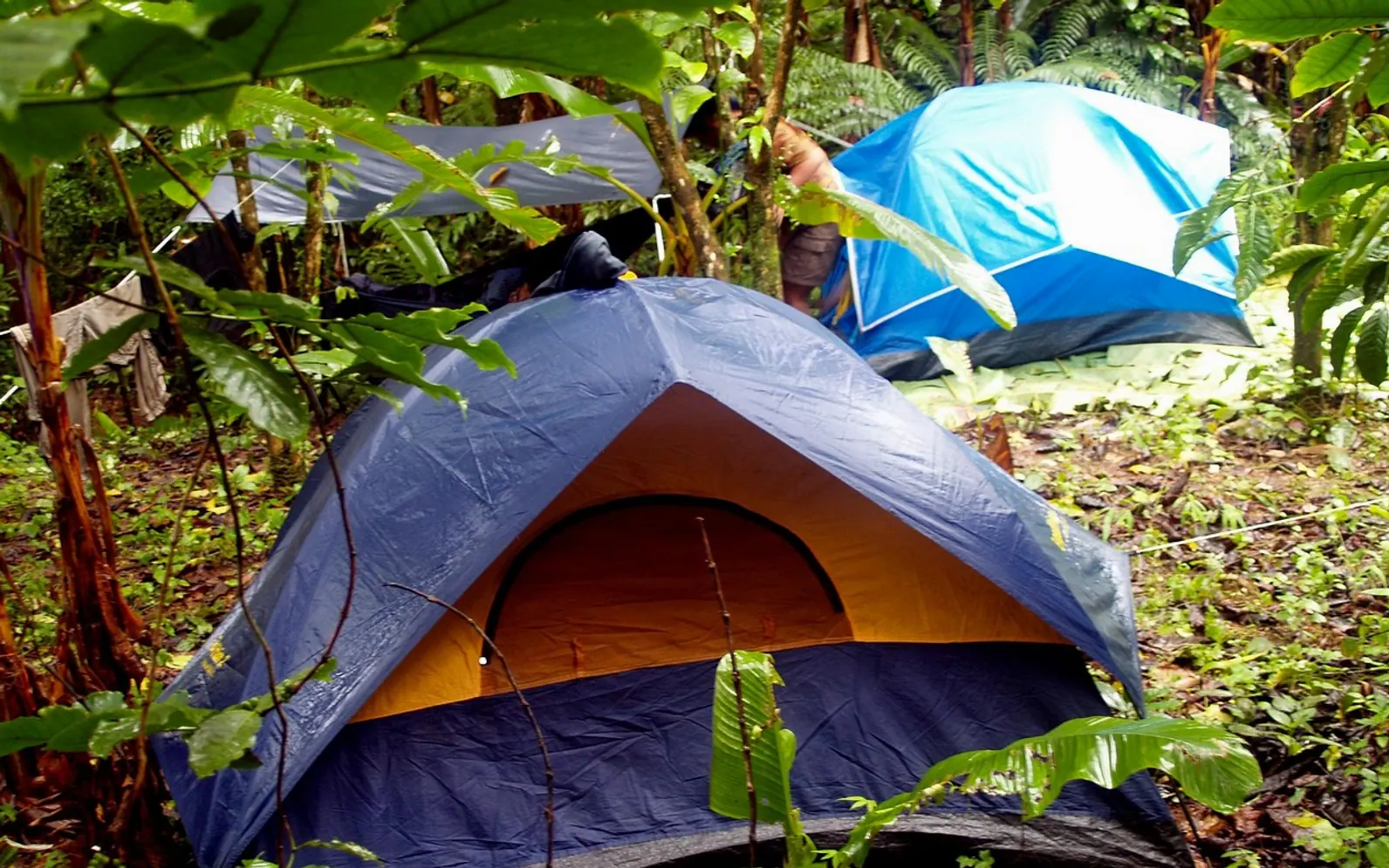 Guides & TipsCamping in the Rain: How to Stay Dry and Enjoy It4 min read
 ActivitiesA Fresh Start: The Benefits of End of Lease Cleaning in Melbourne3 min read
Through the years
2026
2025
- The IVG Pro: Design, Consistency, and Convenience for Adult Vapers
- From Site to Sorting: How Container Services Streamline Construction Projects in Germany
- Photo Booth Hire That People Actually Use: How It Turns Moments Into Shared Stories
- Gentle Tributes, Delivered: Ordering a Funeral Bouquet From an Online Flower Shop
- Silicon and Soil: Champagne’s Quiet Tech Upgrade
2024
- Why UK-Based SEO Agencies Are Leading the Way in Digital Marketing Excellence
- From Education to Entertainment: How AI Is Reshaping Learning and Leisure
- How Automation and AI Are Revolutionizing Google Ads Campaigns
- Space-Saving Illumination: How Recessed Lighting Enhances Small Rooms
- Crafting Comfort: Customizable Options for Retractable Awnings