Guides & Tips2 min read
Disaster Debris Management: How Container Rentals Can Aid in Quick Recovery
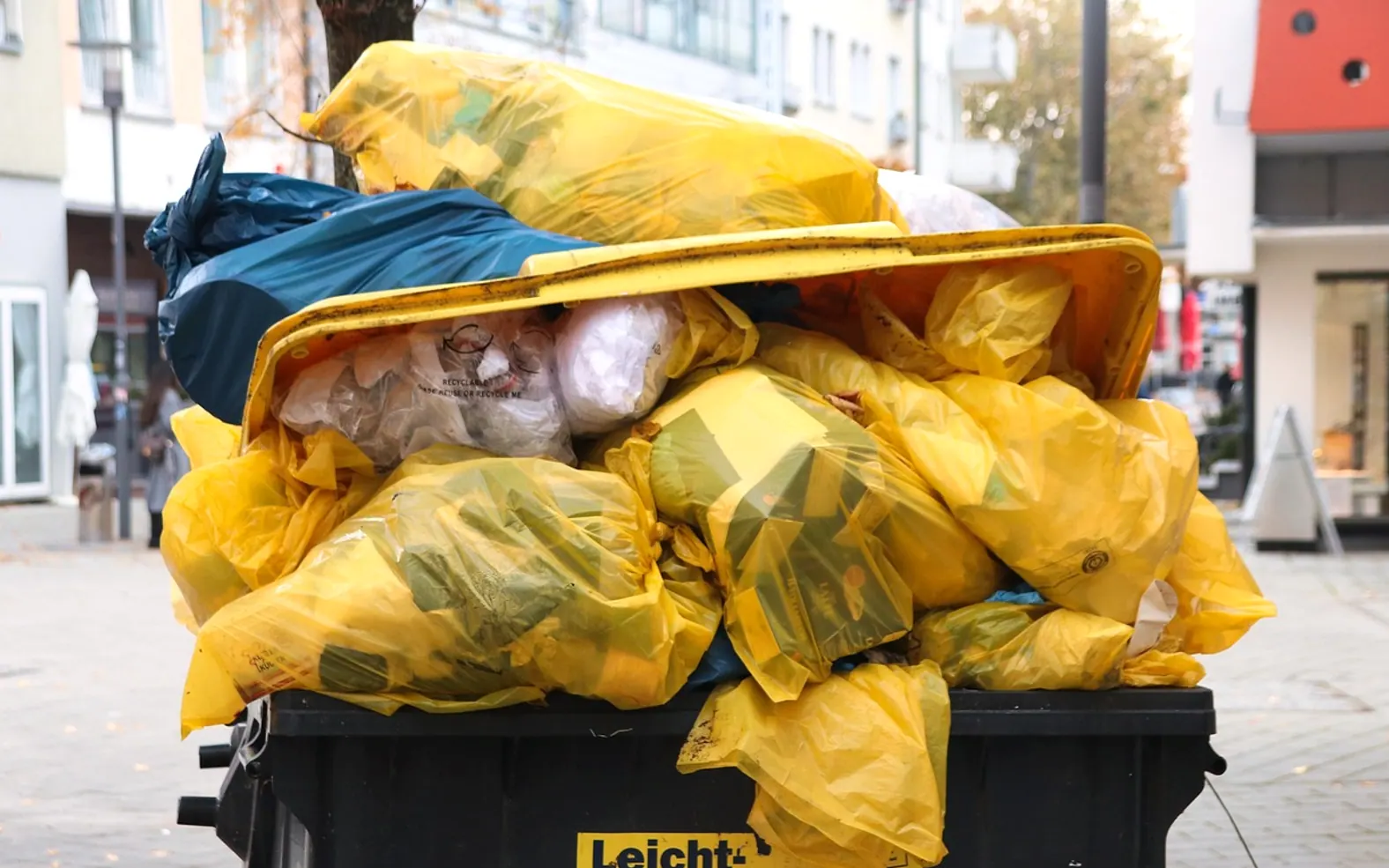
When floodwater recedes or a storm moves on, the scale of what remains can be overwhelming. Soaked carpets, broken furniture, fallen branches, plaster and roof tiles pile up on footpaths and in gardens. Before rebuilding can start, all of that has to go somewhere. Rented waste containers are one of the most practical tools for turning a chaotic street back into a working neighbourhood.
Speed in the first days
The early phase of recovery is about clearing access and reducing hazards. Container services can bring several sizes to a site at short notice, from compact skips for a single household to large roll-off units for public buildings or whole blocks. Regional operators such as a Containerdienst Hanau know the local roads and disposal facilities, which helps them place containers where crews and residents need them and swap full ones out efficiently.
That flexibility matters because needs change quickly. A household might start with one container for ruined belongings, then need another once damaged flooring and drywall come out.
Sorting at the source
Mixed debris is harder and more expensive to process. Setting out separate containers for different material types makes the whole operation cleaner:
- Wood and green waste from fallen trees and fences
- Metal from appliances, gutters and fixtures
- Rubble such as bricks, concrete and tiles
- General household items that cannot be salvaged
- Hazardous materials, kept apart and handled according to local rules
Clear labelling and a quick briefing for volunteers go a long way. When materials stay separated, more of them can be recycled or reused rather than landfilled.
Safer streets while work continues
Loose piles of debris create tripping hazards, block emergency vehicles and attract pests. Wet material can encourage mould and odours. Containers hold waste in one defined place, keep sharp edges and broken glass contained, and reduce the chance that contaminated items spread further when it rains again. Anyone involved in the clean-up should still wear gloves, sturdy footwear and suitable protection, and follow guidance from local authorities on contaminated or hazardous waste.
Recovery that respects the environment
Disasters already place heavy pressure on the landscape. Organised collection helps prevent debris from washing into rivers or being dumped informally. Sorted streams can be taken to the right facilities, whether that means composting green waste, recycling metals or crushing rubble for reuse as fill. Over a large area, those choices add up to a noticeably lighter footprint.
Helping communities rebuild together
There is also a quieter benefit. When residents see containers arriving and full ones leaving, it signals that recovery is under way. Neighbours coordinate who fills which unit, volunteers know where to bring material, and local businesses can reopen sooner once their frontage is clear. Reliable waste logistics will never undo the damage a disaster causes, yet it gives people a structured way to move from emergency mode toward rebuilding homes and routines.
Editor’s picks
 MoviesWhy IPTV Continues to Gain Ground Across France2 min read
 MoviesIPTV in the Netherlands: Enhancing Entertainment with Innovation and Convenience2 min read
 ActivitiesA Fresh Start: The Benefits of End of Lease Cleaning in Melbourne3 min read
 GamesMinecraft, Still Popular in 2025? Why the Answer Is Yes2 min read
Through the years
2026
2025
- The IVG Pro: Design, Consistency, and Convenience for Adult Vapers
- From Site to Sorting: How Container Services Streamline Construction Projects in Germany
- Photo Booth Hire That People Actually Use: How It Turns Moments Into Shared Stories
- Gentle Tributes, Delivered: Ordering a Funeral Bouquet From an Online Flower Shop
- Silicon and Soil: Champagne’s Quiet Tech Upgrade
2024
- Why UK-Based SEO Agencies Are Leading the Way in Digital Marketing Excellence
- From Education to Entertainment: How AI Is Reshaping Learning and Leisure
- How Automation and AI Are Revolutionizing Google Ads Campaigns
- Space-Saving Illumination: How Recessed Lighting Enhances Small Rooms
- Crafting Comfort: Customizable Options for Retractable Awnings